PREVIOUS BOOK CLUB PICKS, REVIEWS, & RECOMMENDATIONS
Reading can open your mind to new ways of thinking about the world. It can also help reduce stress, deepen understanding, sharpen critical thinking and inspire engagement with others on a particular topic. In short, reading connects us to one another.
Explore some previous book club picks, reviews and recommendations below.
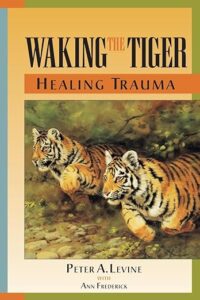
Waking the Tiger: Healing Trauma
By: Peter Levine & Ann Frederick
What’s it about? Waking the Tiger offers a new and hopeful vision of trauma. It views the human animal as a unique being, endowed with an instinctual capacity. It asks and answers an intriguing question: why are animals in the wild, though threatened routinely, rarely traumatized? By understanding the dynamics that make wild animals virtually immune to traumatic symptoms, the mystery of human trauma is revealed.
Who is it good for? Waking the Tiger normalizes the symptoms of trauma and the steps needed to heal them. People are often traumatized by seemingly ordinary experiences. The reader is taken on a guided tour of the subtle, yet powerful impulses that govern our responses to overwhelming life events. To do this, it employs a series of exercises that help us focus on bodily sensations. Through heightened awareness of these sensations trauma can be healed.
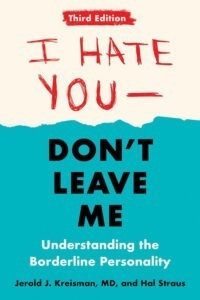
I Hate You - Don't Leave Me: Understanding the Borderline Personality
By: Jerold J. Kreisman, MD, and Hal Straus
What’s it about? After more than three decades as the essential guide to borderline personality disorder (BPD), the third edition of I Hate You—Don’t Leave Me now reflects the most up-to-date research that has opened doors to the neurobiological, genetic, and developmental roots of the disorder, as well as connections between BPD and substance abuse, sexual abuse, post-traumatic stress syndrome, ADHD, and eating disorders.
Both pharmacological and psychotherapeutic advancements point to real hope for success in the treatment and understanding of BPD.
Who is it good for? This expanded and revised edition is an invaluable resource for those diagnosed with BPD and their family, friends, and colleagues, as well as professionals and students in the field, and the practical tools and advice are easy to understand and use in your day-to-day interactions with the borderline individuals in your life.
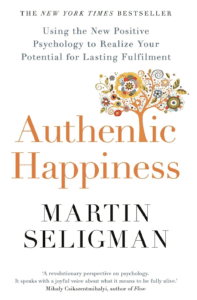
Authentic Happiness: Using the New Positive Psychology to Realize your Potential for Lasting Fulfilment
By: Martin E.P. Seligman
What’s it about? According to esteemed psychologist and bestselling author Martin Seligman, happiness is not the result of good genes or luck. Real, lasting happiness comes from focusing on one’s personal strengths rather than weaknesses—and working with them to improve all aspects of one’s life. Using practical exercises, brief tests, and a dynamic website program, Seligman shows readers how to identify their highest virtues and use them in ways they haven’t yet considered. Accessible and proven, Authentic Happiness is the most powerful work of popular psychology in years.
Who is it good for? Everyone has the power to incorporate real joy into their lives. This book provides a diverse set of tests and assessment tools to enable readers to discover and deploy those strengths. By understanding ourselves, we can achieve new and lasting levels of authentic contentment and joy.
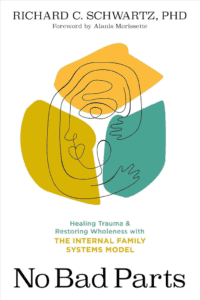
No Bad Parts: Healing Trauma and Restoring Wholeness with the Internal Family Systems Model
By: Richard Schwartz, PhD
What’s it about? Discover an empowering new way of understanding your multifaceted mind―and healing the many parts that make you who you are.
Is there just one “you”? We’ve been taught to believe we have a single identity, and to feel fear or shame when we can’t control the inner voices that don’t match the ideal of who we think we should be. Yet Dr. Richard Schwartz’s research now challenges this “mono-mind” theory. “All of us are born with many sub-minds―or parts,” says Dr. Schwartz. “These parts are not imaginary or symbolic. They are individuals who exist as an internal family within us―and the key to health and happiness is to honor, understand, and love every part.”
Who is it good for? This is an excellent book for anyone wanting to learn about internal family systems, which is an exciting and effective psychotherapy technique.
Life Without Ed
By: Jenni Shaefer
What’s it about? Life Without Ed provides hope to the millions of people plagued by eating disorders. This book combines a patient’s insights and experiences with a therapist’s prescriptions for success to help those live a healthier, happier life without Ed.
Who is it good for? For anyone who is either plagued by an eating disorder or know a loved one who is.
Gift of Therapy
By: Irvin Yalom
What’s it about? The Gift of Therapy is a remarkable and crucial guidebook that illustrates through actual case studies how both patients and therapists can get the most out of therapy.
Who is it good for? Anyone interested in psychotherapy or personal growth.
ADHD 2.0 : New Science and Essential Strategies for Thriving with Distraction—From Childhood Through Adulthood
By: Edward M. Hallowell, M.D. and John J. Ratey, M.D.
What’s it about? In ADHD 2.0, Drs. Hallowell and Ratey, both of whom have this “variable attention trait,” draw on the latest science to provide both parents and adults with ADHD a plan for minimizing the downside and maximizing the benefits of ADHD at any age.
Who is it good for? For anyone who wants to tap into the power of this mercurial condition and find the key that unlocks potential.

Hold Me Tight
By: Dr. Sue Johnson
What’s it about? Sue Johnson is the founder of emotion focused couples therapy and one of the best couples therapists of our age. In this book she explains how to productively have seven types of conversations as a couple, ranging from recognizing and discussing the sources of your arguments, to sex and intimacy, to building greatness and hope in your relationship. She describes each of these conversations and illustrates them with examples. The whole system is based on attachment theory, and on a style of communication called ‘emotional responsiveness’, or what she calls “a.r.e” – accessibility, responsiveness, and engagement.
Who is it good for? For anyone who wants to improve their relationship or work on a specific relationship problem. It is also useful for couples therapists!
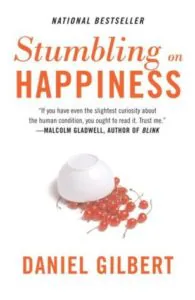
Stumbling on Happiness
By: Daniel Gilbert
What’s it about? Do you know what makes you happy? You may think you do, but most likely you don’t. This book will show you why. The up side of this book is that people are bad at predicting what will make them happy in the long run. And he’s witty and funny throughout, making for an enjoyable read. But the downside is the author has a superficial understanding of ‘happiness’. He thinks of it as purely pleasure.
Who is it good for? For anyone looking for a new way to appreciate what you have. However, there’s no mention of meaningfulness or life satisfaction – the real hallmarks of happiness, and most of what psychotherapists actually focus on.
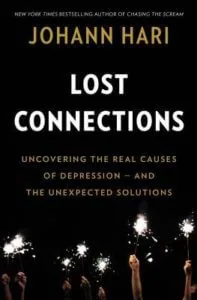
Lost Connections
By: Johann Hari
What’s it about? These days, psychiatry focuses too much on the biological side of things. Of course biology is important, but mental health isn’t all biology – a lot is still psychological and environmental. This book understates the biological side, but a good introduction to some of the psychological aspects of depression.
Who is it good for? For those who have been given a one sided biological take, this book is a good introduction to a different way of thinking.
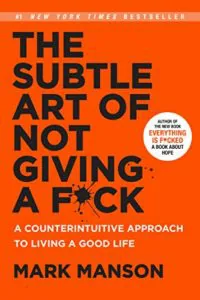
The Subtle Art of Not Giving a Fuck: A Counterintuitive Approach to Living a Good Life
By: Mark Manson
What’s it about? Mark Manson is author of a life-advice blog and several best selling books, and this is his most popular. We weren’t expecting much from this book, so we were pleasantly surprised by the wealth of helpful information. The central message is that it’s important to separate your goals and values from unimportant events and distractions in your life, and focus on the former. The message is elaborated in several ways, with multiple examples, making for an easy and engaging read. The title is provocative and seemingly immature, but the book is full of genuinely good advice.
Who is it good for? Anyone who wants good advice in a provocative easy-to-read style.
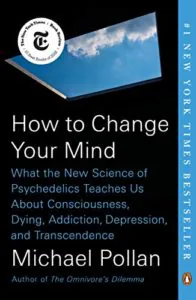
How to Change Your Mind
By: Michael Pollan
What’s it about? The author interweaves the history of psychedelics with his own first time experience trying LSD, DMT, and psilocybin and what science has to say about. One of the first books to dive into brain science and research on how LSD and psilocybin (the active ingredient in magic mushrooms) are being used to provide relief to people suffering from difficult-to-treat conditions such as depression and anxiety.
Who is it good for? Anyone who is curious and wants to learn more about psychedelic use for mental health.
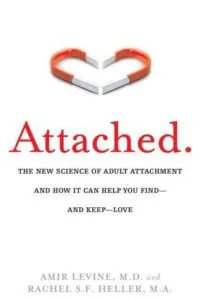
Attached: The New Science of Adult Attachment and How it can Help You Find — and Keep — Love
By: Amir Levine, M.D. and Rachel S.F. Heller, M.A
What’s it about? A guide to how understanding your “attachment style” or the way you relate to others, can help you forge deeper and more fulfilling love relationships. This book applies attachment theory, which was originally developed to describe types of bonding between infants and caregivers, to adult romantic partnerships. The book also advocates for readers to look at their needs for emotional security as a natural part of the human experience.
Who is it good for? Everyone, especially those who have struggled with romantic relationships.
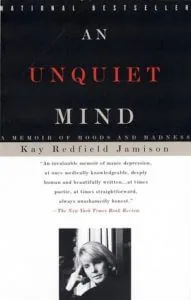
An Unquiet Mind: A Memoir of Moods and Madness
By: Kay Redfield Jamison
What’s it about? A first-person exploration of life with bipolar disorder written by a clinical psychologist, An Unquiet Mind chronicles her experiences and how it affected her professional, familial and romantic relationships. Bipolar Disorder is one of the most serious and, in some cases, debilitating mental health conditions. Dr. Kay Redfield Jameson experienced it first hand and struggled through it even as she became a psychologist and advanced in her career. Excellent all around
Who is it good for? Anyone who has this disorder or wants to understand someone else who does.
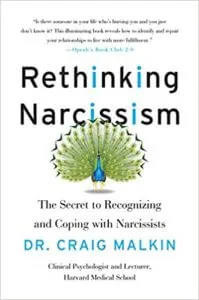
Rethinking Narcissism: The Secrets to Recognizing and Dealing with Narcissists
By: Dr. Craig Malkin
What’s it about? All you ever wanted or needed to know about Narcissists and how to deal with them
This is our favorite book about Narcissism. Dr. Malkin uses his scientific knowledge and compassion to make narcissists relatable and understandable. Yet, he doesn’t underestimate their personal struggles and the trouble they make for their families, friends, and colleagues. He also goes through the history and scientific studies of narcissism and how his perspective differs from most others in the field.
Who is it good for? If you have a narcissist in your life, this is the book for you!
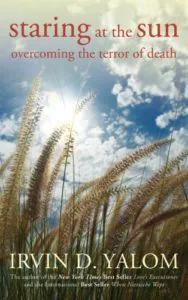
Staring At The Sun: Being At Peace With Your Own Mortality: Overcoming the Terror of Death
By: Irvin D. Yalom
What’s it about? Death is one of the scariest things we can face, and this book guides you through it, helping you turn your anxieties about your own demise into a zest for life and living. Dr. Yalom approaches the subject of death from a secular perspective. He assumes that after death, we cease to exist completely. And he grapples with how to deal with this fact during our lives. He manages to take the subject seriously while also being warm and compassionate, and even positive. He has several nuggets of advice for how to deal with anxiety about death, including living the best lives we can live, and being honest with ourselves about the fear of death itself. This book will make you confront death without losing hope.
Who is it good for? Anyone with worries or anxiety about death.
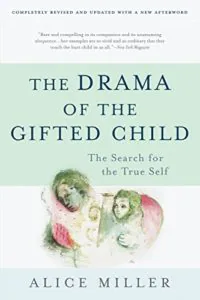
The Drama of the Gifted Child: The Search for the True Self
By: Alice Miller
What’s it about? This book has been controversial given the stern view it takes on parenting. It is quite confronting to the problem of parents not being attuned to their children’s emotions being valid. The author is very empathic to the child’s experience and vividly describes the child’s perspective. She especially highlights the danger of perpetuating intergenerational trauma if the parents are unaware, and encourages readers to work through difficult experiences in childhood in therapy by confronting them.
Who is it good for? For those who struggled with their childhood experiences or want to understand it deeper, this book can be very validating. However, this is a book best suited for having a therapist’s guidance as it can stir up strong emotions.