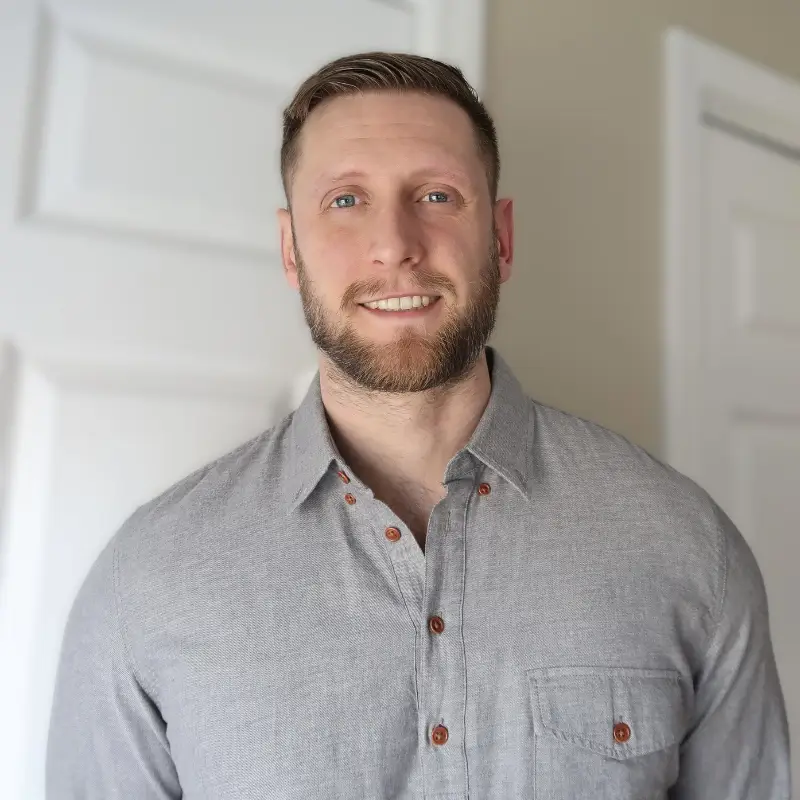
Nearly a decade spent in a cardiothoracic ICU — first as a patient care assistant, then as a bedside nurse — built the clinical foundation I carry into every encounter. Caring for people during the most urgent and uncertain moments of their lives taught me how to think critically, stay calm under pressure, and advocate fiercely for those who couldn’t do so for themselves.
Later, through consult-liaison psychiatry and an intensive outpatient program, I found deep meaning in building ongoing relationships, understanding patients over time rather than only in high-intensity periods. Helping someone regain control of their identity, even in small steps, is incredibly rewarding. Together, these experiences shaped a holistic, patient-centered approach — one focused not just on stabilizing symptoms, but on enabling people to feel understood, supported, and empowered.
I’ve had particular success with anxiety disorders, depression, and co-occurring substance use. Much of that work involves helping people understand what they’re experiencing — distinguishing intrusive thoughts from more severe conditions, for example — because that clarity alone can reduce fear and open the door to progress. For those caught in cycles of rumination, avoidance, or emotional dysregulation, the work centers on building insight and practical coping skills to support sustainable ways of functioning.
Cognitive behavioral therapy (CBT) forms the backbone of my clinical approach, supplemented by Dialectical behavior therapy (DBT) and supportive therapy to help patients connect the dots between their thoughts, emotions, and behaviors. When medication is appropriate, it’s introduced as part of a collaborative, thoughtful plan built around the individuality of each person. My patients include young adults and adults across a wide range of backgrounds and experiences, including LGBTQIA+ individuals and underserved populations — particularly those navigating complex or overlapping challenges and periods of transition.
Learn more about Andrew by checking out his clinician spotlight.