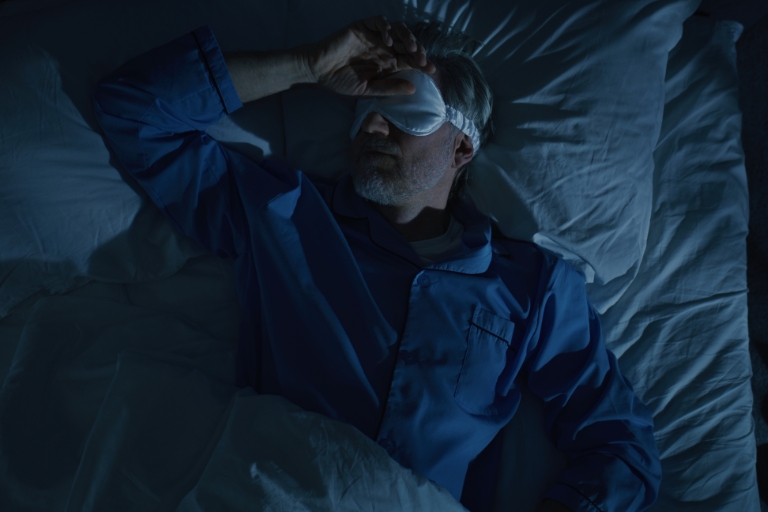
If you’ve reached adulthood, you’ve likely heard several times that you should be getting roughly 7-9 hours of sleep each night. Sleep is vital for your health, your energy, and your metabolism. But sleep is also crucial to your mental health.
Commonly, those who live with mental health disorders struggle to regulate their sleep. They may sleep too much or too little. This can have an impact on the symptoms of their mental illness. If you want to boost your mental wellness, having a healthy sleep schedule is essential.
How Sleep Impacts Your Mental Health
When you sleep too little or too much, it can leave you feeling groggy with low energy. This can impact your focus and your mood. If you already have a mental health disorder that impacts your ability to focus — such as depression or ADHD — sleep deprivation (or oversleeping) can make that doubly dangerous. Likewise, a lack of sleep can put you in a low mood that could lead to depressive episodes or rumination on negative thoughts.
Lack of sleep can also change the wiring in your brain.1 It can make it difficult to make decisions, cope with life transitions, and regulate your emotions. In some cases, sleep deprivation could be linked to increased or exacerbated depressive episodes or suicide attempts.
How Mental Health Impacts Your Sleep
Unfortunately, when you struggle with mental illness, getting a healthy amount of sleep each night can be much easier said than done. There are many mental illness symptoms that can alter your sleep patterns. For instance, anxious thoughts or manic episodes can make it difficult to fall asleep or stay asleep. If you struggle with depression, you may struggle with sleeping too little or sleeping too much. Nightmares and night terrors can also be a symptom of PTSD or anxiety that can impact your sleep schedule.
Is Insomnia a Mental Illness?
Although insomnia is commonly referred to as an illness, it is more often a symptom of other illnesses — sometimes physical and sometimes mental. Insomnia may be a symptom of disorders such as:
- Anxiety
- Depression
- PTSD
- Psychosis
Depression can also have the symptom of hypersomnia, which includes extreme feelings of tiredness during the day despite getting a healthy amount of sleep at night — or more than a healthy amount of sleep.
How Much Sleep Do You Need?
The amount of sleep you need as an adult can vary from person to person, although eight hours is usually given as an average. Most adults need between 7-9 hours, though some can function just as well on 6 while others may need as much as 10. In some cases of mental health disorders, such as those in which you might have a higher biosocial sensitivity, you may need more sleep than average.
What’s even more important, however, is consistency. Try to set a routine sleep schedule, going to bed at the same time and waking up at the same time. If you find that you’re still tired during the day and that you don’t have symptoms of hypersomnia, you may have to go to bed a little earlier. It’s okay to tweak your sleep schedule to find what works. Once you know, however, stick with it.
Tips For Balancing Sleep and Mental Health
As we’ve established, healthy sleep is essential to mental health. However, it can be hard to manage if you already struggle with mental health disorders. Here are a few tips to balance your sleep and mental health if you have a mental illness.
Watch Your Food Intake
What you eat and drink can impact your ability to sleep and sleep well. Try to avoid having caffeine after 3pm. Avoid eating large meals or drinking significant amounts of alcohol within a few hours before sleeping. If you have a snack shortly before going to bed, make it something light so that it doesn’t upset your stomach while you try to sleep.
Put Down Your Phone
With so much made digital today, it can be hard to unplug from mobile devices. But try to put your phone down about an hour before going to bed, as well as your computer and even a TV screen. These devices can make it harder to go to sleep at the end of the day. Instead, consider reading a book or doing something restful and physical before bed.
Curate a Bedroom Perfect For Sleep
Whatever you need to sleep, make your bedroom the perfect place for it. If you need ambient noise, play something softly in the background. If you need darkness, get blackout curtains for your windows. Try to only use your bed for sleep to help you shift into that mindset at the end of the day.
Find a Wind Down Routine
What would best help you wind down at the end of the day? It could be a few minutes of meditation or deep breathing. It could be journaling about your day or doing some kind of devotional or prayer if you’re religious or spiritual. Whatever helps you calm your mind, try winding down with that before sleeping.
Talk To Your Clinicians
If you struggle with insomnia or poor sleep and nothing seems to be working, talk to your clinicians. They may be able to suggest habits that could help you better sleep or prescribe medication to help you sleep better at night.
Need help balancing your sleep and mental health? Rivia Mind is here for you. Contact us today to learn more or schedule a free 15-minute consultation.
Resources:
- Sleep Deprivation and Deficiency: How Sleep Affects Your Health – National Heart, Lung, and Blood Institute