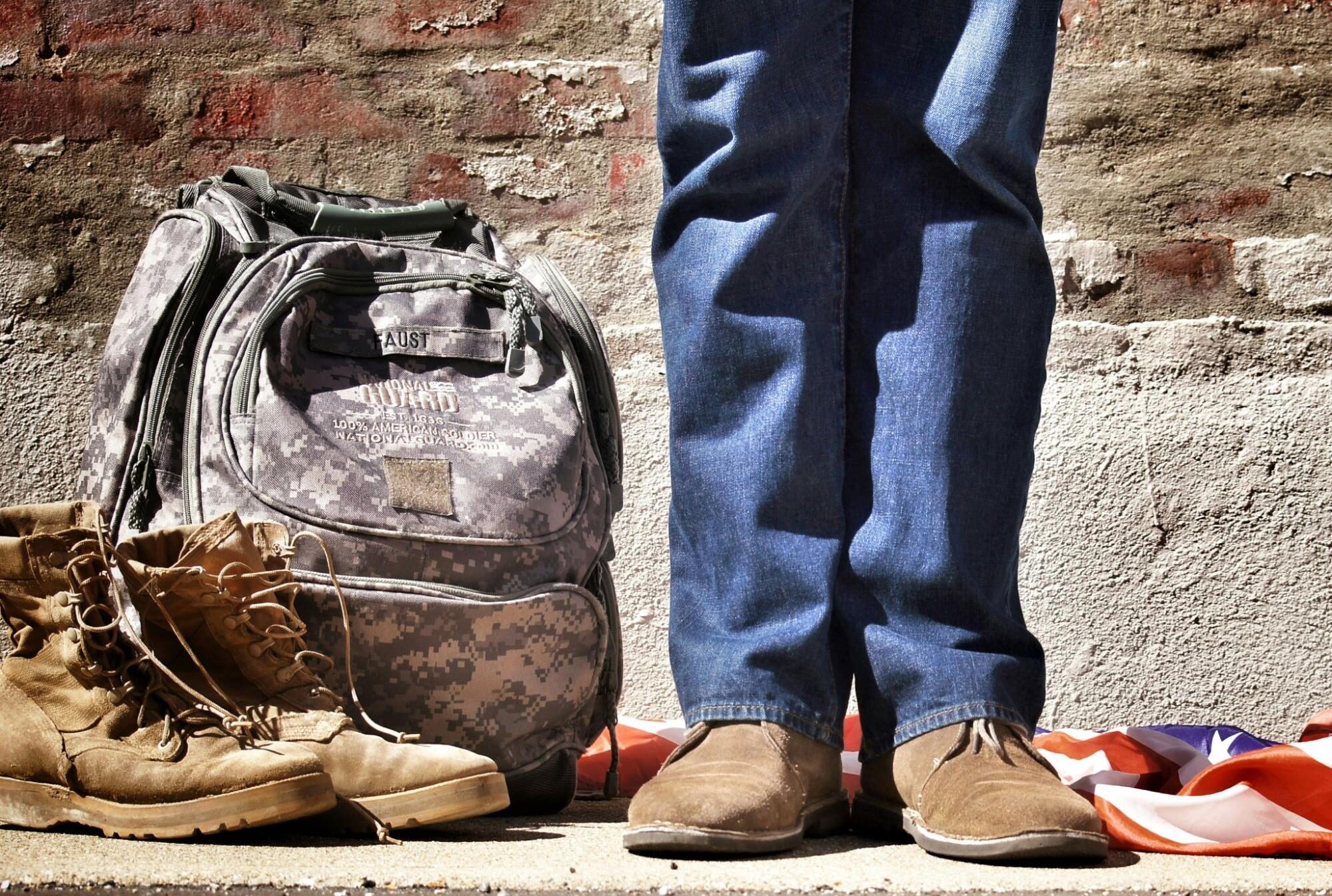
Active military duty may last for a few years or even less, but many veterans come home scarred from their experiences in more ways than one. One study from 2014 found that a quarter of all United States veterans met the criteria for at least one mental health disorder.1 Post-traumatic stress disorder (PTSD) can be especially common, impacting 7% of all veterans.2
Many veterans may return home traumatized and feel alone, trapped within a sense of survival and vivid flashbacks. But there is hope to find mental health support and treatment in the face of this trauma.
Mental Health Challenges For Veterans
Veterans proudly protect their country, offering their skills and even their lives in active duty. However, coming home after deployment can be a challenge. Many veterans struggle to adjust to life after active duty, or may be haunted by things they either experienced or witnessed. There are a number of mental health conditions that can develop amongst veterans. Some common conditions include:
Post-Traumatic Stress Disorder (PTSD)
PTSD occurs in the aftermath of witnessing or experiencing a traumatic event. In the case of veterans, that traumatic event is often something that occurred when on active duty. Individuals with PTSD often experience traumatic flashbacks that disrupt their daily life by causing them to relive their trauma. They may feel that they are in a heightened state of tension or “survival mode” even when there is no danger. Triggers that most people are able to ignore — such as the sound of shouting, fireworks, or a sudden movement in the corner — can be very distressing in cases of PTSD.
One form of PTSD is complex PTSD or C-PTSD. This occurs when someone is exposed to long-term traumatic stress, such as an abusive household. However, a year or multiple years of active duty can also present conditions for C-PTSD.
Depression
Many veterans return home disillusioned or disheartened after their experiences in active duty. They may also struggle to adjust to “normal” life once again. This can cause feelings of hopelessness, sadness, or isolation, all symptoms of depression. Depression can make it extremely difficult to find the motivation to tackle daily tasks, work, or engage with friends and family. Feelings of isolation are common with depression, leading individuals to withdraw, which then heightens those feelings of loneliness and isolation.
Substance Use Disorder
Substance use disorder is often tied to an underlying condition, such as PTSD or depression. This is especially true in veterans. Because of the stigma surrounding mental healthcare, and sometimes due to a lack of accessibility, many veterans choose to self-medicate with alcohol or other mind-altering substances. Over time, they can develop a dependency on these substances which can have disastrous impacts on their lives, work, and relationships.
Suicidality
Mental Healthcare Treatment and Resources For Veterans
There are mental healthcare treatments for the conditions that veterans often face, both in terms of counseling and medication management. Many psychiatrists are experienced in working with veterans or may be veterans themselves, enabling them to better understand the unique experiences veterans go through. However, competent care and accessibility are essential to ensure that veterans get the help they need.
Therapy
Therapy for veterans is often focused on helping them to process and heal from their trauma, as well as adjust to civilian life. Trauma-informed care can be especially effective in these cases. Other forms of therapy that might be helpful include:
- Eye Movement Desensitization & Reprocessing (EMDR) – EMDR is a trauma therapy in which patients process their traumatic memories while following their therapist’s lead through various eye movements — or, alternatively, bilateral tapping. In doing so repeatedly, the distress of the memory becomes reduced.
- Cognitive Behavioral Therapy (CBT) – CBT is a heavily evidence-based therapy, in which the patient and therapist tackle the negative thought patterns that may be causing negative behaviors or getting in the way of your life worth living.
- Prolonged Exposure (PE) – Exposure therapy, in a safe environment, can help reduce the disruptiveness of certain triggers, such as firework sounds, crying, or shouting.
- Cognitive Processing Therapy (CPT) – Branching off of CBT, CPT allows veterans to analyze the ways their trauma has impacted their thinking and behavior, and to change that thinking and behavior by processing and healing from their trauma.
- Mindfulness – While not a therapy itself, many trauma-informed therapies have some element of mindfulness practices. The purpose of mindfulness is to help center you in the present moment, aware of your feelings and your current environment. Grounding techniques may be used to help you cope with flashbacks or panic attacks.
Medication Management
For both PTSD and depression, the most common medications prescribed are SSRIs or SNRIs, including:
- Sertraline (Zoloft)
- Paroxetine (Paxil)
- Venlafaxine (Effexor)
- Fluoxetine (Prozac)
These medications work by increasing the production of hormones such as serotonin or norepinephrine. These hormones can help balance your mood, reducing symptoms of depression and lethargy.
Resources For Veterans
Accessibility is essential in mental healthcare for veterans. Fortunately, there are resources dedicated to helping veterans get the mental healthcare they need.
- Tricare, a recent partner of Rivia Mind, offers healthcare insurance plans for veterans. This includes mental healthcare.
- The US Department of Veteran Affairs has a list of VA Mental Health Services.
- The Veterans Crisis Line is available for veterans experiencing a mental health crisis or suicidal thoughts.
- Local Vet Centers allow walk-in services and counseling for veterans.
Finally, Rivia Mind offers skilled and compassionate mental healthcare — including medication management, and individual and group therapy — to all, including veterans. Contact us today to learn more about our services or to book a free 15-minute consultation.
Resources:
- Thirty-day prevalence of DSM-IV mental disorders among nondeployed soldiers in the US Army: results from the Army Study to Assess Risk and Resilience in Servicemembers (Army STARRS) — JAMA Psychiatry
- How Common Is PTSD In Veterans? — PTSD: National Center for PTSD
- Veteran and Military Mental Health Issues — StatPearls