You are constantly taking in new information. It could come from an article you read online or the name of a new neighbor across the hall. Without neuroplasticity, you would not be able to retain that information nor would you be able to let that information change your perspective and way of thinking.
Neuroplasticity can play a major role in your mental wellness, as well as your cognitive function after an event like an injury or a stroke. But what is neuroplasticity? How does it affect your everyday life and how can it be affected? Let’s discuss this in today’s blog.
What Is Neuroplasticity?
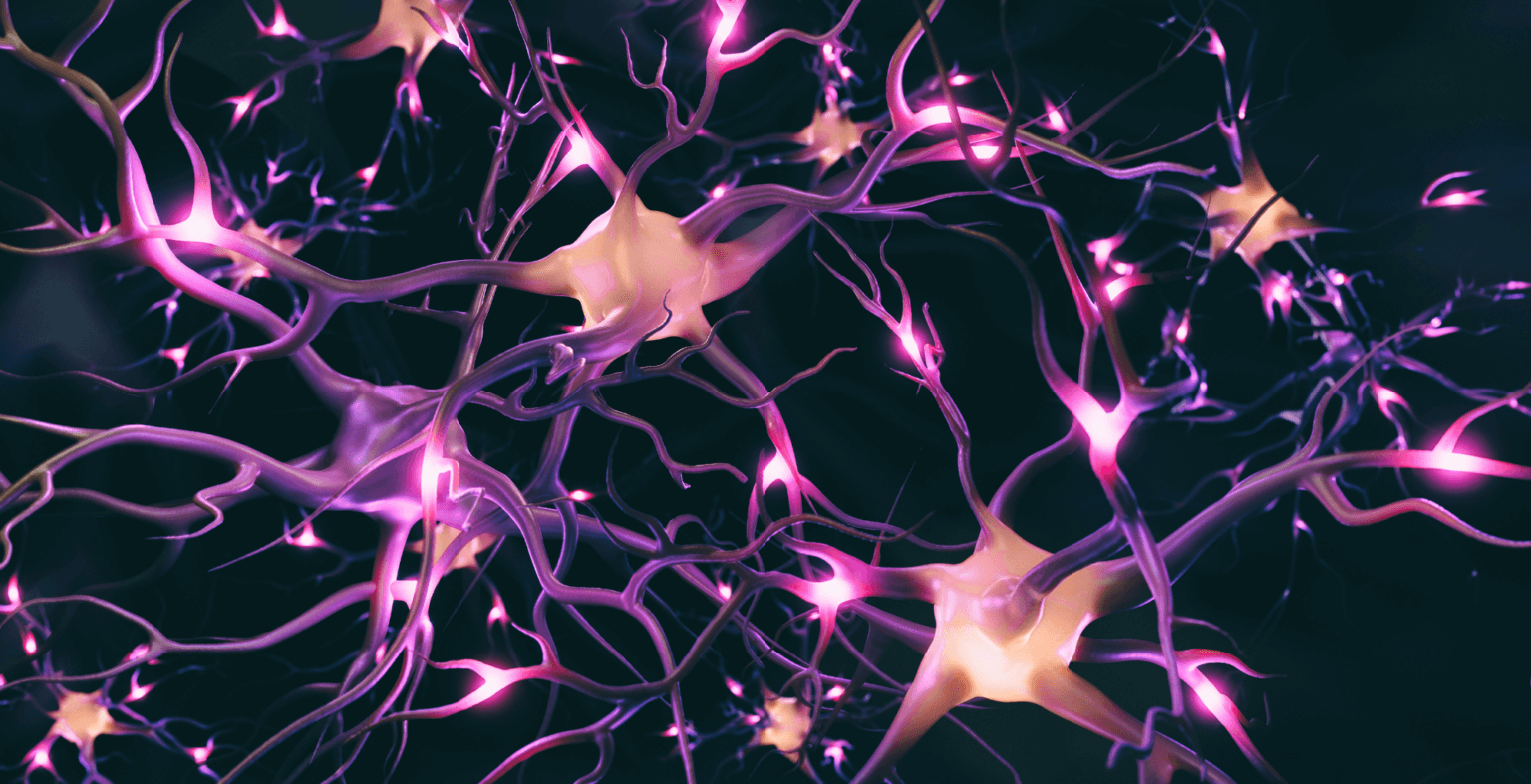
Neuroplasticity is your brain’s ability to form new neural pathways when exposed to new experiences. This is important for your daily life, but it can also be essential after traumatic brain injuries or strokes. Both TBIs and strokes can alter your neural pathways and cognitive function. Your neuroplasticity is the ability of your brain to form new pathways in order to help you “bounce back” and adjust after a severe injury.
You enjoy the benefits of neuroplasticity every day — even now, as you take in this information. It takes neuroplasticity to create art or to learn a new skill. Other examples include:
- Recalling the name of a new coworker
- Learning the rules of a game or sport
- Learning a new set of directions to reach a destination
- Memorizing lines as an actor or formulas as a student
- Learning new ways to navigate the world after losing a sense like hearing or seeing
What Affects Neuroplasticity?
Neuroplasticity is a naturally very reactive process. You take in external stimuli, and your brain forms new pathways to account for it. However, there are different factors which can impact your neuroplasticity, sometimes inhibiting it and making it difficult to retain and learn from new information. A few factors that impact neuroplasticity include:
Prolonged Stress
Stress is a part of life, and some studies have even shown that short-term stress can give your immune system a needed boost. Like other feelings, stress is your brain communicating with you and attempting to protect you from perceived threats. Unfortunately, too often, stress becomes prolonged, which can lead to other mental illnesses and inhibitions to cognitive functions.
Cortisol, the stress hormone, is an inhibitor of neuroplasticity. If you’ve ever found that you struggle to remember new information or focus on a task at hand when stressed, this is because your neuroplasticity is not functioning as it should.
Parent-Child Relationships
It seems to be a cliche that in therapy, you always discuss your parents. However, for almost everyone, their relationship with their parents and the way they were raised had a crucial impact on their mental health — and their neuroplasticity. Even if you had good parents, they were the largest influence of your formative years, making that relationship essential to your neuroplasticity, particularly of the hippocampus and the prefrontal cortex.
The hippocampus is responsible for helping you learn and retain memories, while the prefrontal cortex regulates thoughts and emotions. The amount of validation, helpful instruction, affection, and respect children receive from their parents all help with the development of these two areas.
Diet
“You are what you eat” may be an oversimplification, but the things you put into your body do have an impact on your brain and cognition. For instance, omega-3s — as are found in fatty fish, flaxseed, avocados, and so on — are shown to improve neuroplasticity. Vitamin C can also help to encourage healthy neuroplasticity. On the other hand, foods that are high in salt, sugars, or processed oils can all hinder neuroplasticity.
In addition to food and drink, psychostimulant drugs — such as amphetamines or cocaine — can change the circuitry in your brain, “rewarding” users for taking these drugs and thus creating that addictive effect.
Trauma
When you experience trauma, it literally changes the wiring in your brain. This is why you may be avoidant of certain things that remind you of your trauma or you may approach relationships, work, or hobbies differently. Trauma is an extreme stress, so naturally it impacts your neuroplasticity. On the other hand, it is your neuroplasticity — your ability to form new neural pathways — that can help you to heal from trauma.
How Neuroplasticity Impacts Mental Health
Stress-induced neuroplasticity is commonly linked with mental health disorders, such as depression, anxiety, borderline personality disorder, or post-traumatic stress disorder. Likewise, as said above, trauma usually comes with major neural pathway changes as well as PTSD or complex post-traumatic stress disorder (CPTSD). You may develop maladaptive neural pathways, encouraging processes and behavior that is actually harmful to you.
Neuroplasticity In Therapy
But as mentioned with trauma, neuroplasticity can also be part of what helps you on to the process of healing. Neuroplasticity is often utilized in different forms of therapy, such as cognitive behavioral therapy (CBT) or dialectical behavioral therapy (CBT).
In CBT, which is often used for patients struggling with trauma or anxiety, the patient first identifies some of their maladaptive behaviors and the thought processes that cause them. Once this is done, the therapist helps the patient to reframe those thought processes. By reframing the thought processes, you can adjust the behavior.
DBT expands on this by addressing target behaviors and alternatives to those behaviors. With time and practice, CBT and DBT can help to change the neural pathways in the mind, helping patients to overcome the maladaptive behaviors that stand in their way.
Healthy neuroplasticity is essential for all forms of healing — whether physical, emotional, or mental. Fortunately, even when trauma or stress impacts your neuroplasticity, therapy can help you form new neural networks that help to put you on the path towards mental wellness again. And at Rivia Mind, we have the skilled and compassionate mental health providers who can help.
When you need help managing stress, anxiety, depression, or the effects of trauma, Rivia Mind is here for you. Contact us today to learn more about what we can offer or to schedule a 15 minute free consultation.