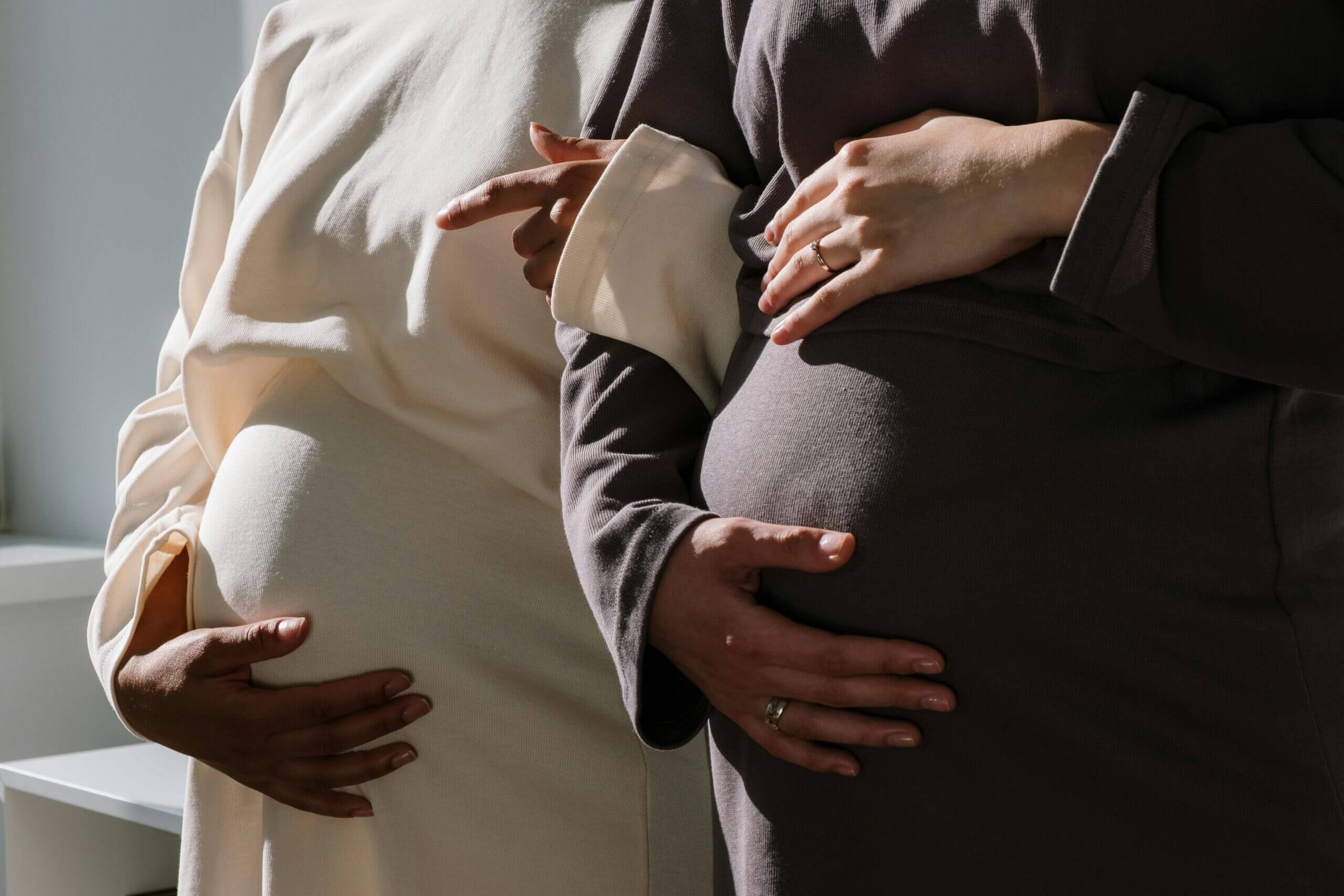
When you’re pregnant, it’s important to have the right professional clinicians to support you throughout your journey. This goes beyond an OB/GYN, and even beyond physical health support. You also need support for your mental health. Pregnancy can be a trying time on one’s mental health. Seeing a psychiatrist can make all the difference.
In today’s blog, let’s talk about the importance of professional support in the form of a psychiatrist for maternal mental health matters.
Mental Health Risks During and After Pregnancy
During pregnancy, the hormonal balance in your body goes through a drastic change. You begin to produce much higher levels of estrogen and progesterone in order to support the development of the baby. Cerebrospinal fluid serotonin levels, as well as plasma serotonin levels, also tend to rise in pregnancy,1 which can impact the body’s production of insulin. And all of this can impact your mood and mental health.
It’s common knowledge that people may become more emotional when pregnant, more sensitive, or more agitated. This is both because of the hormonal changes as well as external stressors. When you’re pregnant, you may have financial concerns, parenthood related fears, or concerns about your health and the health of the baby. In many cases, this can lead to perinatal or postpartum mental health conditions.
Perinatal and Postpartum Mental Health Disorders
As many as 85% of pregnant individuals experience postpartum depression, a form of depression which manifests during or immediately after pregnancy.2 This can be deeply disheartening, as many individuals want the birth of their child to be a happy occasion. But postpartum depression is not the only mental health disorder that pregnant individuals may be vulnerable to. There are also perinatal and postpartum versions of:
- Anxiety
- OCD
- PTSD (especially in the case of birth trauma or a traumatic conception)
- Psychosis
When you experience these mental health disorders, it’s important to know that you are not a bad parent for having mental health struggles. This is not your fault, nor is it your child’s fault. Failure to seek support for these disorders can endanger your health, the health of your child, and your relationship with them in the early years after their birth. This is where a psychiatrist can help.
What Can a Psychiatrist Do For Maternal Mental Health?
A psychiatrist is a medical doctor who specializes in mental health matters. Some psychiatrists also specialize in maternal mental health, so they’ve seen many cases like your own. A psychiatrist can be an invaluable resource during pregnancy. Here are a few ways that they can help:
Diagnosis
Psychiatrists can evaluate you and diagnose perinatal and postpartum mental health disorders. A diagnosis can be validating, a confirmation that what’s happening to you isn’t normal and isn’t your fault. It can also help to open you up to resources such as treatment or necessary accommodations.
Medication Management
Medication is one of the two best ways to treat maternal mental health disorders. In most cases, you can take medication prescribed for long-term mental health disorders and then ease off of them under the guidance of your psychiatrist once your postpartum symptoms no longer occur. Your psychiatrist can prescribe medication to you and discuss any potential side effects with you. They will also check in with you throughout the time that you’re on the medication to see how effective it is and adjust as needed.
Therapy
Psychiatrists are also qualified to give therapy and often do along with their medication management services. While medication can lead to a reduction in symptoms, therapy can help you learn coping skills that will allow you to better manage your day-to-day. This could be helping you to express your needs more effectively, self-soothe when you’re in the midst of distress, or manage your anxieties about the future.
When To See a Psychiatrist For Maternal Mental Health
So finally when should you see a psychiatrist about your maternal mental health? For many, this can be difficult to distinguish. If your emotions are already heightened due to the pregnancy, how do you know when it goes beyond that into a mental health disorder?
Don’t be dismissive of your “baby blues.” There is a stereotype that pregnant people are constantly crying, constantly angry, and experience drastic mood swings all the time. In actuality, if your mood swings are disruptive to your life, that’s a problem. It’s always safe to schedule an assessment with a psychiatrist so they can determine whether your experiences are simply on par with pregnancy or something more. If the assessment determines that you don’t have a perinatal or postpartum mental health disorder, that’s good news! At the very least, it gives you peace of mind.
At Rivia Mind, we have a special Women’s Reproductive & Mental Health team, dedicated to understanding and supporting the unique needs of women. Contact us today to learn more or visit our provider page to schedule an appointment.
Resources:
- The dynamic serotonin system of the maternal brain – Lonstein, Joseph S., 2019
- Postpartum Psychiatric Disorders – MGH Center For Women’s Mental Health