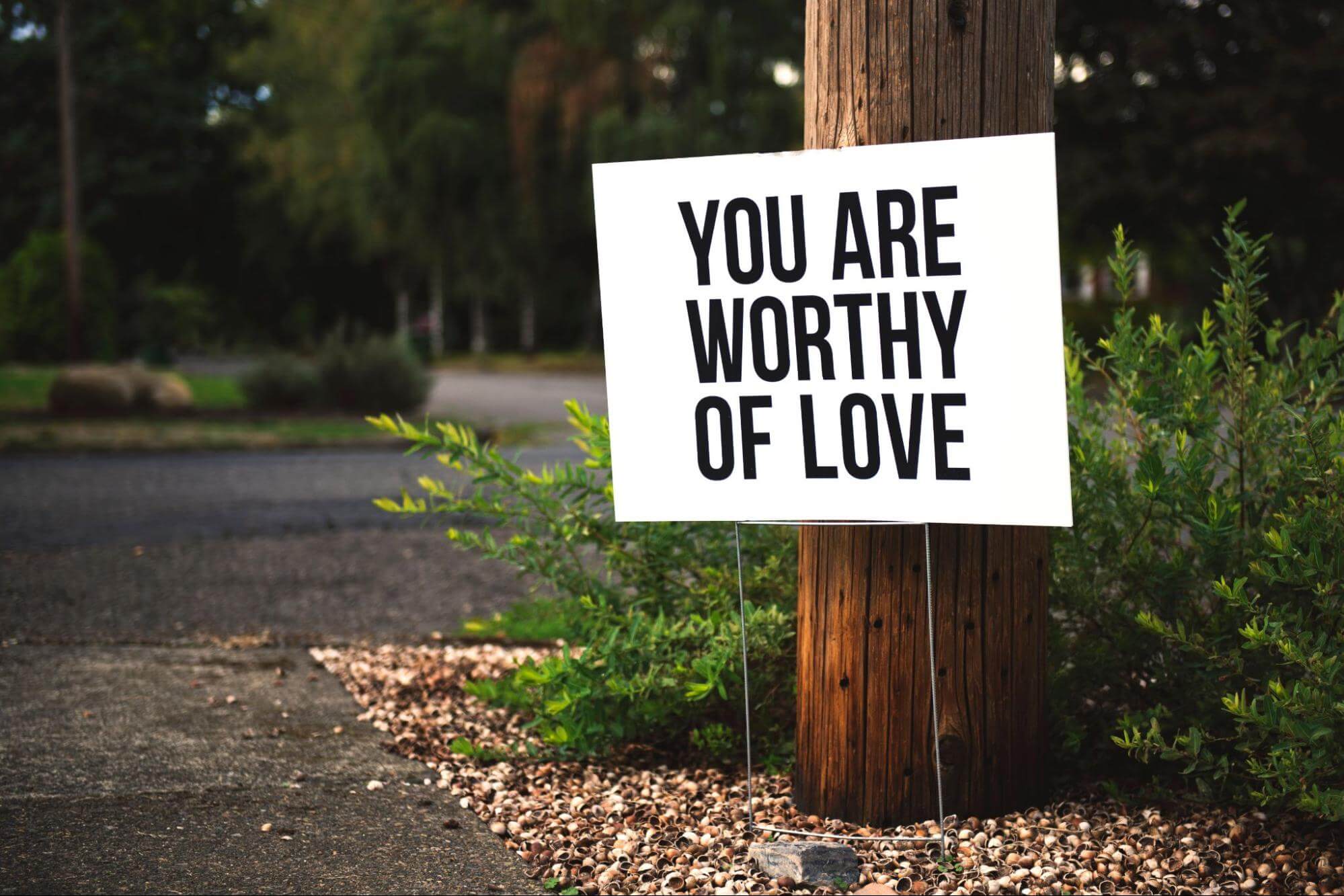
85% of the world’s population suffers from low self-esteem.1 Think about that number for a second. That’s billions of people across different ages, cultures, economic statuses, and more. Low self-esteem is a symptom of almost every mental health condition. Clearly, we have a global issue with the way we see ourselves, and it can be detrimental to the way we navigate the world and interact with each other.
If you don’t think much of yourself, you may feel that you deserve for bad things to happen to you or that you don’t deserve to have good things. You may sabotage relationships with people that you believe are “too good” for you, or miss job opportunities that you assume are better than you deserve. Low self-esteem can keep you from living that life that you find worth living. So what can you do to improve your self-esteem? Let’s discuss in today’s blog.
Causes of Low Self-Esteem
Most of us do not begin our journeys in this life with low self-esteem. You may have memories of being a confident and outgoing child, and then becoming more insecure or worried about what others thought as you got older. The flip often happens around the age of 8 or 9. Suddenly, you become conscious of how others see you and this can impact your self-esteem.
While this is a common occurrence, there are other factors that can exacerbate low self-esteem, including:
- Bullying
- Emotional abuse or neglect
- Trauma
- Living in a highly critical or judgmental environment
- Belief systems that focus on excessive shame
- Social media and comparison to others
- Frequent criticism from authority figures
How To Improve Low Self-Esteem
The good news is that your self-esteem is not set in stone. If circumstances in your life could cause your self-esteem to drop, you can take steps to improve your self-esteem. This is often much harder, but it is possible. Here are our tips to improve self-esteem:
Take Time to Get To Know Yourself
You may think you already know yourself front and back — after all, you’ve spent every second of your life with yourself. But how often have you really reflected on who you are? What makes you happy? What do you want in life? Consider having a daily journal, even if you only write short entries each day. This will help you get to know yourself better and to focus on building your life worth living.
Challenge Your Negative Self-Talk
The next time you catch yourself being self-critical, challenge that thought. If you think, “I’m a failure, I’m worthless,” stop and ask, “Why? Would I think the same thing of someone else in this situation?” Think about how you would react if a friend said something like that about themselves — or if someone said that about a friend.
It’s easy to fall into negative self-talk, especially when you’re anxious and depressed. Many people even fall back on self-deprecating humor as a defense mechanism, a way of saying “I already know I’m awful, so you don’t have to tell me.” But studies have shown that self-critical humor can be associated with lower self-esteem and higher stress.2 Instead, consider utilizing self-affirming humor. If you trip down the stairs, consider saying, “I am so graceful” instead of “wow, I’m such a klutz.” Even as a joke, it could change your life to cut out that negative self-talk.
Write Down the Things You Like About Yourself
If you start a journaling habit, consider once a week writing down things that you like about yourself. Is it your empathy? Your creativity? Your ability to cook or your sense of humor? It might be difficult to think of things you like about yourself at first if you have low self-esteem. But make it a habit. Over time, your list may grow.
Form Relationships That Build You Up
Upon winning his first Tony Award at the age of 82, actor Andre De Shields gave a few pieces of advice for success. The first advice he gave was, “Surround yourself with people whose eyes light up when they see you coming.” Having positive relationships with people who support you is essential to building self-esteem. Limit your engagement with people who make you feel bad about yourself, who are hypercritical or emotionally abusive. Instead, focus on nurturing relationships with people who bring out the best in you.
Focus on Solutions Instead of Blame
When something goes wrong, it’s easy to blame yourself. That judgment can lead to a spiral of shame that only increases low self-esteem. But blame and shame are not necessary parts of conflict resolution or problem solving. Instead of focusing on fault, focus on solutions. What do you want to happen instead? What can you do to make that happen? If there is not a way to problem solve, is there a way you can radically accept the problematic situation?
Stick Up For Yourself
Even if you don’t feel like you deserve it, start advocating for yourself. If someone tries to push you into something you know would not be good for you, stand your ground and say no. Advocate for yourself at the doctor’s office or with relatives who can be hurtful. This is an incredibly difficult skill to learn, especially when you have low self-esteem. But the more you become an ally for yourself rather than an enemy, the more you’ll be able to be kind to yourself.
Getting mental health support is another great way to improve your self-esteem. Your therapist can help you develop coping mechanisms to handle the symptoms of mental illness that can lead to lower self-esteem. Rivia Mind is here to help. Contact us today to learn more or to schedule a free 15-minute consultation.
Resources:
- Thought Provoking Self-Esteem Statistics and Facts – Self Esteem School
- Differential effects of self-esteem and interpersonal competence on humor styles – National Library of Medicine