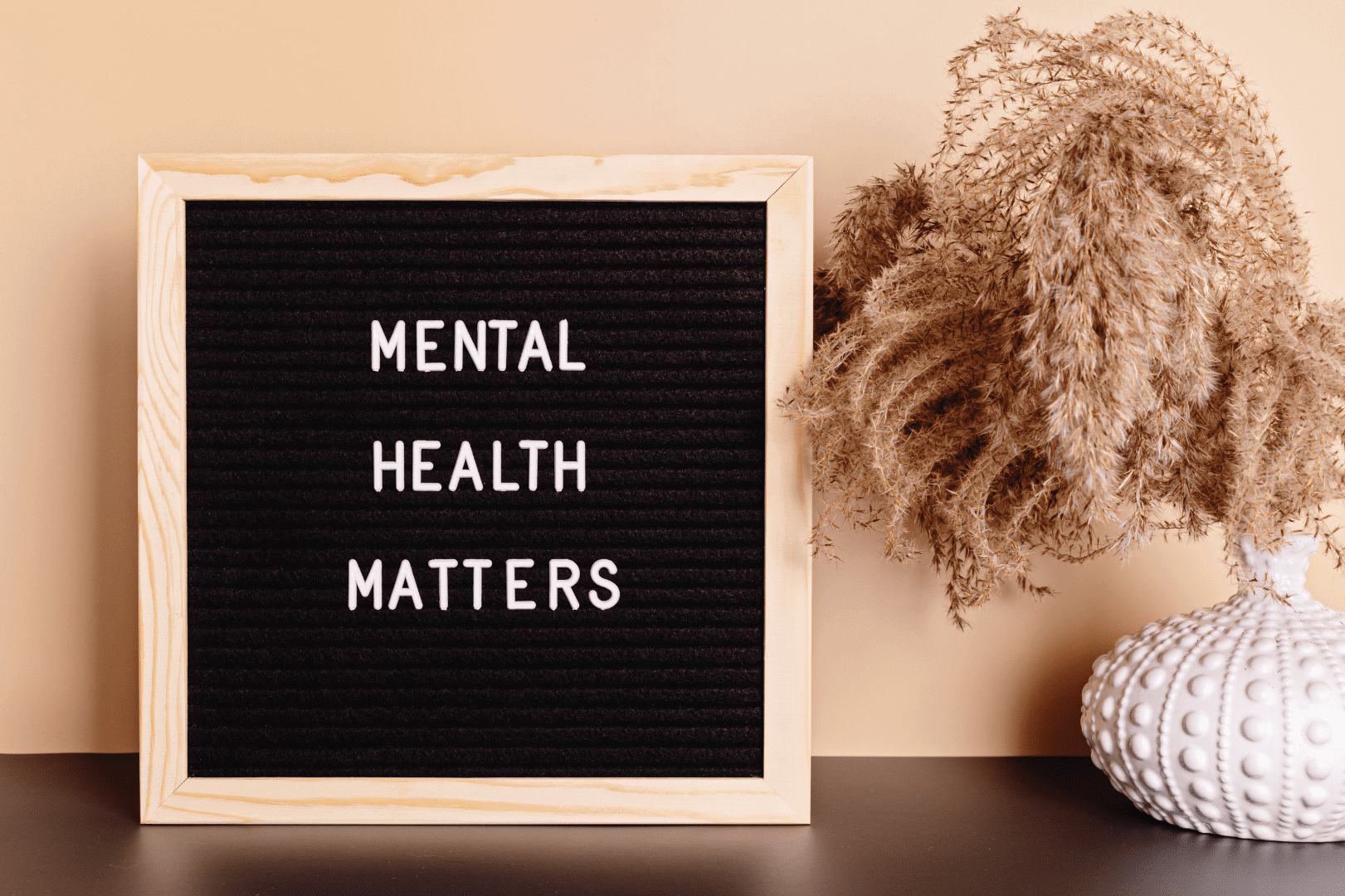
The more knowledge there is on a subject, the less stigma and harmful stereotypes can take hold. The less stigma and harmful stereotypes can take hold, the more easily those who need it can reach out for help.
May is Mental Health Awareness Month. This month is dedicated to raising awareness about mental health, dispelling misconceptions, and combating the stigma that often tends to stymie progress and accessibility. In today’s blog, let’s talk about the significance of Mental Health Awareness Month and why it’s still needed.
The History of Mental Health Awareness Month
Mental Health Awareness Month was started by Mental Health America and became a national observation in 1949. The more we learn about mental illness, the more we see just how common and widespread it is. Anxiety alone impacts as many as 19.1% of adults in the United States.1 But throughout most of our history, mental illnesses were invalidated or seen in extremes rather than seen with nuance. This made it difficult for people to receive the care they needed to manage symptoms and live their lives.
Mental Health Awareness Month is designed with a focus on education. Each year has a theme, and Mental Health America will often distribute educational resources to spread information. In 2024, the theme is “Where To Start.” The goal? “For anyone struggling with the pressure of today’s world, feeling alone, or wondering if they can feel better, this is Where to Start.”2
The Harm of Stigma on Mental Health
A lack of education throughout history led to mental health — and those who struggle with their mental health — being deeply misunderstood. This has led to a sense of stigma and othering those who exhibit symptoms of mental illness: especially mental illnesses less commonly understood such as schizophrenia or bipolar disorder.
Because of stigma and harmful stereotypes, those who manage mental illnesses struggle to find employment or the accommodations they need. They may struggle finding acceptance in their relationships or with themselves. And many who feel that they may need mental health support do not seek it out for fear of being seen as weak or “crazy.” In fact stigma is one of the primary reasons why only 16.5% of those who meet the criteria for depression actually seek out mental health support.3
Stigma is often rooted in misconceptions and a lack of education. People naturally fear what they don’t understand, experiences that are different from their own and challenging to comprehend. By furthering education about mental health, we can normalize mental health and reduce stigma.
The Importance of Mental Health Awareness
The World Health Organization has stated about Mental Health Awareness Month, “There is no health without mental health.” Mental health is just as vital as physical health but is often overlooked outside of extreme cases, because it isn’t as obvious. This is why mental health awareness is so important. It offers a number of benefits that help us move towards a more accepting world and more accessible mental health support.
Normalizes Mental Illness
By raising awareness about mental health, we’re able to show the world that mental illness is more common than the media would have us believe. 44 million adults each year experience mental illness in the United States, along with 17 million adolescents.4 By sharing those numbers, it lets those with mental illnesses know they are so far from alone. It also helps to reduce stigma. Mental health is not a fringe issue as it was previously believed. It is actually a common aspect of many people’s lives.
Increases Diagnoses and Support
Often in learning about various mental illnesses, individuals find themselves resonating with many of the symptoms. This is the beginning of the journey. They may have had an exaggerated idea of depression or ADHD or OCD in the past that they couldn’t relate to, which may have left them wondering why they felt the way they did. By learning more about mental illnesses, the chances that they’ll reach out for a diagnosis go up, which increases the chances of reaching out for support.
A rise in education about mental illness also helps doctors and clinicians to spot the symptoms earlier on. This way they can guide their patients towards the support they need.
Increase in Funding
As we learn more about mental health, we learn just how vital mental health services are. Many services that were seen as soft or less valuable in the past are now recognized as crucial for society to have. This leads to more support of those who want to provide quality, accessible mental healthcare. More mental health research is likely to be funded now than before, as well, which furthers our knowledge.
Mental Health is Important For Everyone
Mental health awareness is a key element in supporting those who have mental illnesses, but it is not just for those who have mental illness. Just like your physical health is important regardless of whether or not you have an illness, so too is it important to take care of your mental health. And now we discuss resources and skills to do so more openly than ever before. This is a net positive for everyone, from those who just feel a bit of stress with work to those dealing with severe mental health diagnoses.
Mental health awareness can not only lead to stronger mental health resources but a kinder world overall, which is why it’s so important to continue to grow. Rivia Mind is here to help with assessments, resources, and a high quality of compassionate mental health support. Contact us today to learn more or visit our provider page to schedule an appointment.
Resources:
- Facts and Statistics – Anxiety and Depression Association of America
- Mental Health Month – Mental Health America
- Mental Health Stigma: Statistics, Causes, and Effects – BrainsWay
- Mental Health Awareness – Department of Healthcare Services of California