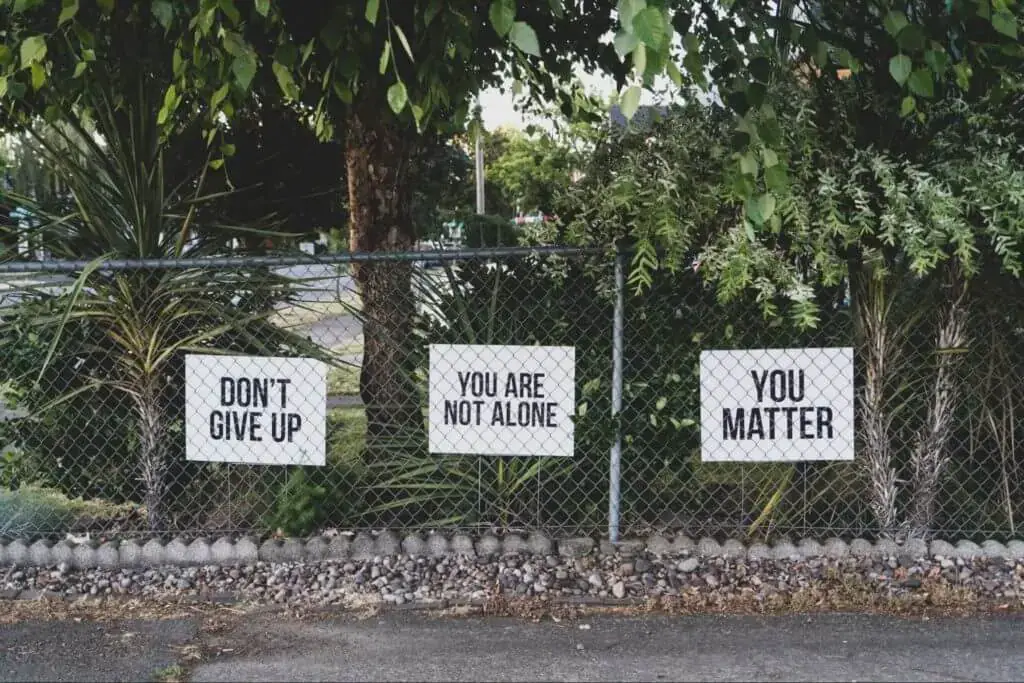
*As the title might suggest, this blog covers sensitive subjects such as suicide, ideation, and attempted suicide. While this is an important topic, we encourage you to take care as you proceed with reading.
September is National Suicide Prevention Month. This national observance, which began in 1975, is designed to educate the public about mental illness, provide resources to those who are struggling with suicidal urges, and lower the rate of suicide. And nearly 50 years later, this is more needed than ever.
Suicide as the 11th leading cause of death in the United States. In the 2021 National Survey of Drug Use and Mental Health, it was reported that roughly 1.7 million adults had attempted suicide at least once¹. Individuals contemplating suicide often feel that they are all alone, but the truth is that suicide ideation is more common than they might realize — and so is mental health support.
Contributing Factors to Suicide Rates
Suicide comes from a deep sense of hopelessness, typically accompanied by a mental illness like depression. Although it has become common to say that people who attempt suicide are “selfish” or “taking the easy way out,” that’s not how it feels in the moment. Mental illness can warp the individual’s perception of their situation. Individuals who attempt suicide often believe that things in their life will not get any better and that either no one will care much when they are gone or that the people in their life will be better off without them.
The reasons that people have for contemplating or attempting suicide are as vast as people in the world. However, there are common contributing factors like mental illness or a lack of acceptance from friends and family. Some contributing factors for suicide rates include:
Chronic Illness (Mental or Physical)
Feelings of hopelessness and thoughts of suicide are common symptoms of depression, so it is little surprise that many people who attempt, commit, or even contemplate suicide have chronic depression. Other mental illnesses can also add risk factors, such as anxiety, OCD, borderline personality disorder, etc.
However, chronic physical illnesses can be a risk factor for suicide, as well. Debilitating physical disabilities and chronic pain can also lead to feelings of hopelessness and sometimes themselves contribute to depression…as well as to suicide rates. This is especially true when individuals with chronic pain or debilitating disabilities do not have access to proper accommodations or healthcare.
Bullying, Abuse, or a Lack of Acceptance
Roughly 20% of students between the ages of 12 and 18 are bullied². They may avoid turning to adults for help out of fear of retaliation from their bullies. But bullying is not limited to middle and high school. Adults may face bullying from their bosses, from their partners, or from their family. This constant abuse — especially from someone who has power over them — can lead to a feeling that they are trapped and they may consider suicide as a way out.
Similarly, a lack of acceptance from friends and family can be a contributing factor in suicide rates. The Trevor Project conducts yearly surveys on LGBTQIA youth, especially those who struggle with suicidal thoughts. In 2022, they reported that 45% of LGBTQIA youth had considered attempting suicide³. However, the report further showed that youth who went to an LGBTQIA affirming school, lived in an affirming community, or had an affirming family were significantly less likely to consider or attempt suicide.
Lack of Access to Mental Healthcare
The Trevor Report also showed that 60% of LGBTQIA youth who wanted to receive mental health care were unable to. Access to mental healthcare is a major factor in resisting and reducing suicidal urges. If someone is depressed and struggling with thoughts of suicide, therapy can help them develop coping strategies and reframe their thinking and behaviors to form a life worth living. If someone cannot afford mental healthcare, is barred from seeking it, or otherwise has no access to mental healthcare, they are much more vulnerable to suicidal urges.
Substance Abuse
Substance abuse — such as binge drinking or illicit drug use — is sometimes used by individuals to “self-medicate” their own hurt or mental illness. However, these substances can actually exacerbate mental health issues, deepening depression and disrupting your work and relationships. Substance abuse and addiction can isolate you and place you in a spiral of self-loathing that can increase thoughts of suicide.
Financial Stressors
As many as 52% of adults report finances negatively impacting their mental health4. In a world where money is necessary for everything, the threat of losing your home or your job, of not being able to get out of debt or feed your children, can all have a devastating impact on mental health. In some cases, financial stress can come with increased thoughts of suicide.
Grief
When someone important to you is suddenly gone from your life, the grief can feel all-encompassing. A study by the University College of London from 2016 found that people grieving the sudden death of a friend or family member were 65% more likely to attempt suicide than those not grieving5. This was especially true if their loved one died from suicide. It is important to find mental health support in the midst of grieving in order to be able to move through the grief.
Suicide Ideation vs. Urges vs. Planning
There are different levels of suicidal thoughts. Because people understandably react so strongly to the idea of suicidal thoughts, many individuals dealing with suicide ideation may feel shame or worry at the idea of telling someone how they are feeling. However, reaching out for help is key in preventing suicide.
Suicide ideation is typically passive. You may have thoughts of suicide or thoughts that you would be better off dead, but without any plans to actually kill yourself. This is a very common symptom of depression or anxiety. However, without coping skills to reduce suicide ideation, it can become suicidal urges, which are a bit more active. With suicidal urges, those thoughts become more frequent and more compelling. You may begin to see suicide as an option and may even begin to make a plan.
When someone has begun to plan their suicide attempt, you may notice the following symptoms:
- Giving away their possessions
- Isolating or withdrawing from others
- Making amends with friends and family
- Collecting potentially harmful objects
- Engaging in increasingly risky behavior
- Increased self-loathing
- Increased mood swings
- Increased anxiety, paranoia, or agitation
- Talking about the future as though they might not be there
It is important to watch for these signs in those around us and reach out or check in on friends or family who may be at risk.
Suicide Prevention Strategies and Resources
Even when things seem completely hopeless, there is help available. Some suicide prevention resources that are easily accessible and free include:
- 988 Suicide and Crisis Lifeline – by phone or online
- The CDC’s list of suicide prevention resources
- State or county government resources, such as crisis counselors
If you are not able to afford traditional therapy or counseling, you may be able to find counselors who specialize in helping low-income clients and accept pay on a sliding scale. Many university psychology departments have graduate students who can provide affordable therapy or counseling under the recorded supervision of a licensed professional.
If you are worried that someone in your life might be at risk of suicide, these tips can help you understand how to care for them and prevent any suicide attempts.
- Watch for the signs described above, or consider if they have had any major contributing factors that could increase suicide risk.
- Ask them directly and without judgment if they have been having thoughts of suicide.
- Listen to them and validate their feelings rather than trying to diminish them or tell them that things “aren’t as bad as they think.”
- Let them know that they are loved and that you are concerned for them. Tell them how grateful you are to have them in your life.
- Introduce them to crisis or suicide prevention resources or refer them to a mental health provider.
- Without being condescending, continue to check in on them and let them know that you are here for them.
It is important not to give platitudes and not to respond to a suicidal friend or family member with judgment. Things like “look on the bright side” or “suicide is a selfish, cowardly choice” may only prevent them from coming to you with their feelings in the future.
Rivia Mind works with skilled and compassionate mental health providers who are trained and experienced in helping people struggling with suicidal thoughts or urges. If you or someone you love is contemplating suicide, we are here to help. Contact Rivia Mind today to learn more or to schedule a free 15-minute consultation.
Resources:
- Suicide Statistics – American Foundation for Suicide Prevention
- Facts About Bullying – StopBullying.gov
- 2022 National Survey on LGBTQ Youth Mental Health – The Trevor Project
- Money and Financial Stress Statistics – Bankrate
- 1 in 10 suicide risk among friends and relatives of people who die by suicide – UCL