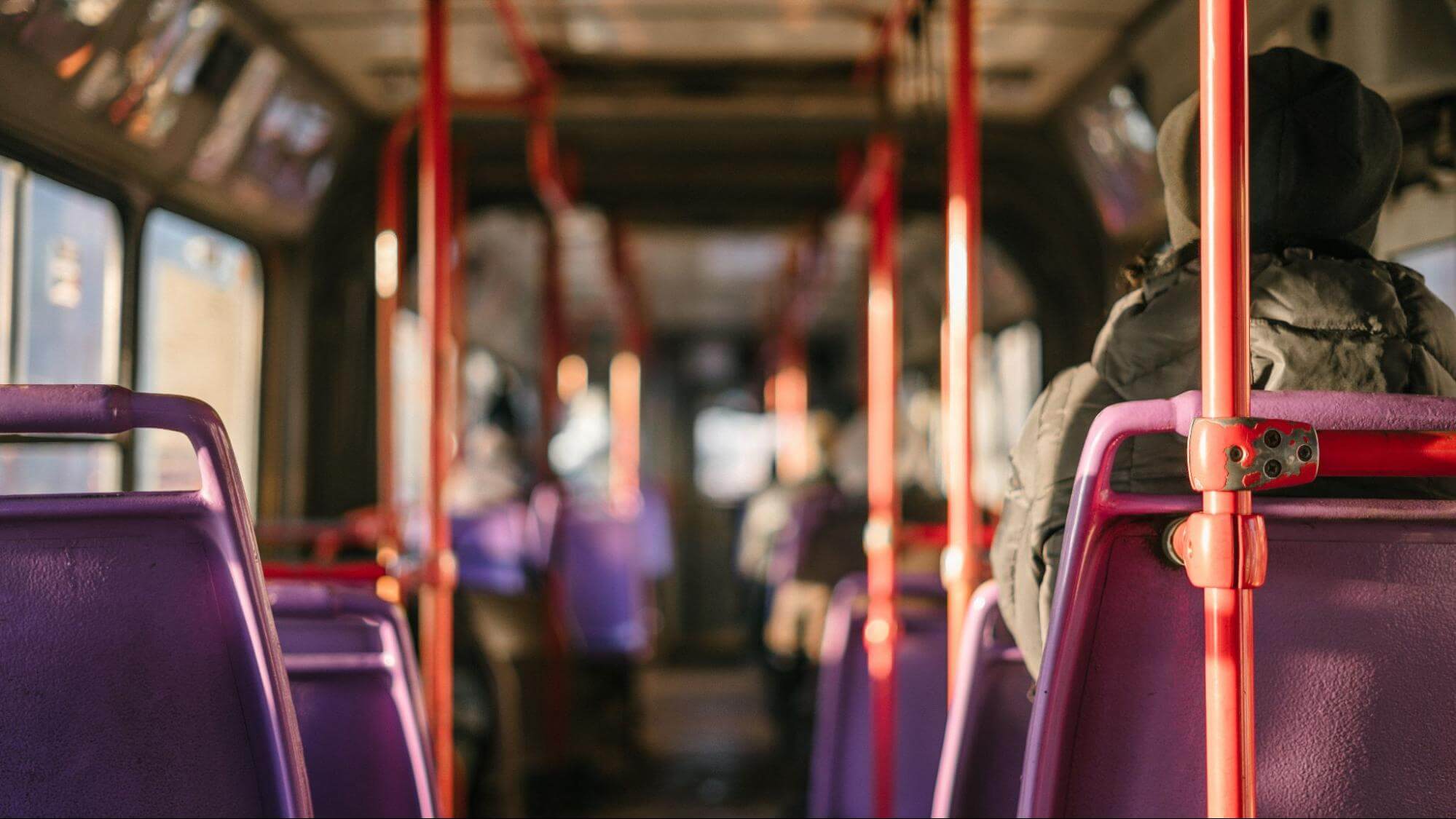
If you’ve ever heard of agoraphobia, you may have heard it described as a fear of going outside. While this can be the case, in actuality, that’s a bit of an oversimplification. Agoraphobia is a type of anxiety disorder in which individuals feel an intense fear and avoid places that might cause them to feel panicked or trapped. For some, that might mean never leaving the house. For others, it could be a fear of public transportation, enclosed spaces, or crowds.
Agoraphobia has affected roughly 1.3% of adults in the United States at some point in their life. However, only an estimated 0.9% reported experiencing agoraphobia in the past year.1 This tells us that agoraphobia is something you can overcome and go on to lead a fulfilling life that isn’t ruled by your fear.
Symptoms of Agoraphobia
Like most other mental illnesses, agoraphobia is different from person to person. You may experience mild or intense symptoms of agoraphobia. Curious as to whether you experience agoraphobia? Here are the trademark symptoms:
- Anxiety when away from home or a “safe” environment
- Low self-esteem or lack of confidence
- Depression
- Panic attacks
- Fear of crowds or waiting in line
- Fear of enclosed spaces; or, alternatively, large open spaces such as parks
- Fear of public transportation such as buses, trains, or planes
- Requiring a companion to accompany you when leaving your “safe” environment
- Fear or avoidance that lasts for six months or longer
Agoraphobia develops over time. It may be mild in the beginning, but if it remains unaddressed, it can become more intense.
Causes of Agoraphobia
Agoraphobia often comes alongside other anxiety or panic disorders. If there is a particular place or situation that triggers anxiety for you, you may feel an intense fear or avoidance of it, leading to agoraphobia. Trauma, such as being the victim of a violent attack or a deeply humiliating experience, can also be at the root of agoraphobia.
Some people who live with agoraphobia have a fear of crowds and public spaces due to physical health issues. During COVID-19, for instance, everyone was encouraged to stay indoors and avoid crowds to avoid the virus. For those who were immunocompromised, even when restrictions began to loosen, the fear of going into public spaces was still there — and justifiably so for many.
Coping With Agoraphobia
You may not be able to help when you feel fear of certain situations, but you can take steps to cope with your symptoms of agoraphobia. By learning coping skills and setting goals for yourself for gentle exposure, you can take control of your life rather than letting agoraphobia take the reins.
Diet and Exercise
Your physical health is often deeply tied with your mental health. Eating a balanced, nutritious diet can help to improve your overall mood. Exercise, on the other hand, helps you to release endorphins that can lower your stress levels. Your fears won’t disappear due to diet and exercise, but proper diet and exercise may help you balance your emotions overall.
Avoid Alcohol and Illicit Drugs
Some people with anxiety disorders turn to alcohol or illicit drugs as a way to numb their fears. For instance, someone with agoraphobia might have a drink or two for “liquid courage” before going out. While this might help in the short term, it could actually cause quite a bit of harm in the long-term.
For one thing, if you need to drink before going out and then you drive to the destination, you risk your own safety and the safety of others. Reliance on alcohol and drugs could also lead to substance abuse and addiction, which could actually exacerbate your symptoms at the end of the day.
Avoid Caffeine
Caffeine is a stimulant. It can help you feel more energized on a day when you’re tired, but if you struggle with intense anxiety, it may magnify those feelings of anxiety. Caffeine could trigger or draw out symptoms of agoraphobia by making you feel more “keyed up.” Consider using decaf coffee and tea or drinking caffeine free sodas.
Get Proper Sleep
The last physical health tip is effective no matter what anxieties might bother you: make sure you’re getting enough sleep. When you’re sleep deprived, you’re likely to be more irritable and fearful. Sleep helps to keep you refreshed and is important for balancing and regulating your emotions.
Practice Deep Breathing
Deep breathing in through the nose and out through the mouth can have an overall calming effect when you experience anxiety. It helps to keep you in your body, aware of your physical sensations, and it can center you in the moment. If you find yourself starting to get carried away with anxiety, stop and take a few moments to breathe, letting that soothe you.
Bring Distress Tolerance Tools With You
What helps you to feel more calm? For some, it’s having a book to read while others might like to listen to music on their phone, draw, or color. Pack a few of these things that help calm you down in your bag. If you’re stuck on a bus for a long period of time, you can read a book to distract you from the crowds. Consider investing in noise canceling headphones to listen to music when you have to go out. Headphones can help you tune out the sounds of the crowd and also signal to others that you don’t feel up to socializing.
Work With a Therapist
If you find symptoms of agoraphobia to be disruptive to your life, it might be best to work with a therapist. Therapists can help you learn coping skills and set goals to gently challenge and push back against your anxieties. You might use exposure therapy, carefully exposing yourself to the places and situations that make you anxious. You would begin with your smallest anxieties and work your way up. Cognitive Behavioral Therapy (CBT) can help you identify the root cause of your anxiety and reframe your thoughts about the places that you fear. Talk with a therapist about your symptoms and what form of therapy would work best for you.
Our skilled and compassionate clinicians at Rivia Mind are here to help you through your symptoms of agoraphobia. Contact us today to learn more or to schedule a free 15-minute consultation.
Resources:
- Agoraphobia – National Institute of Mental Health