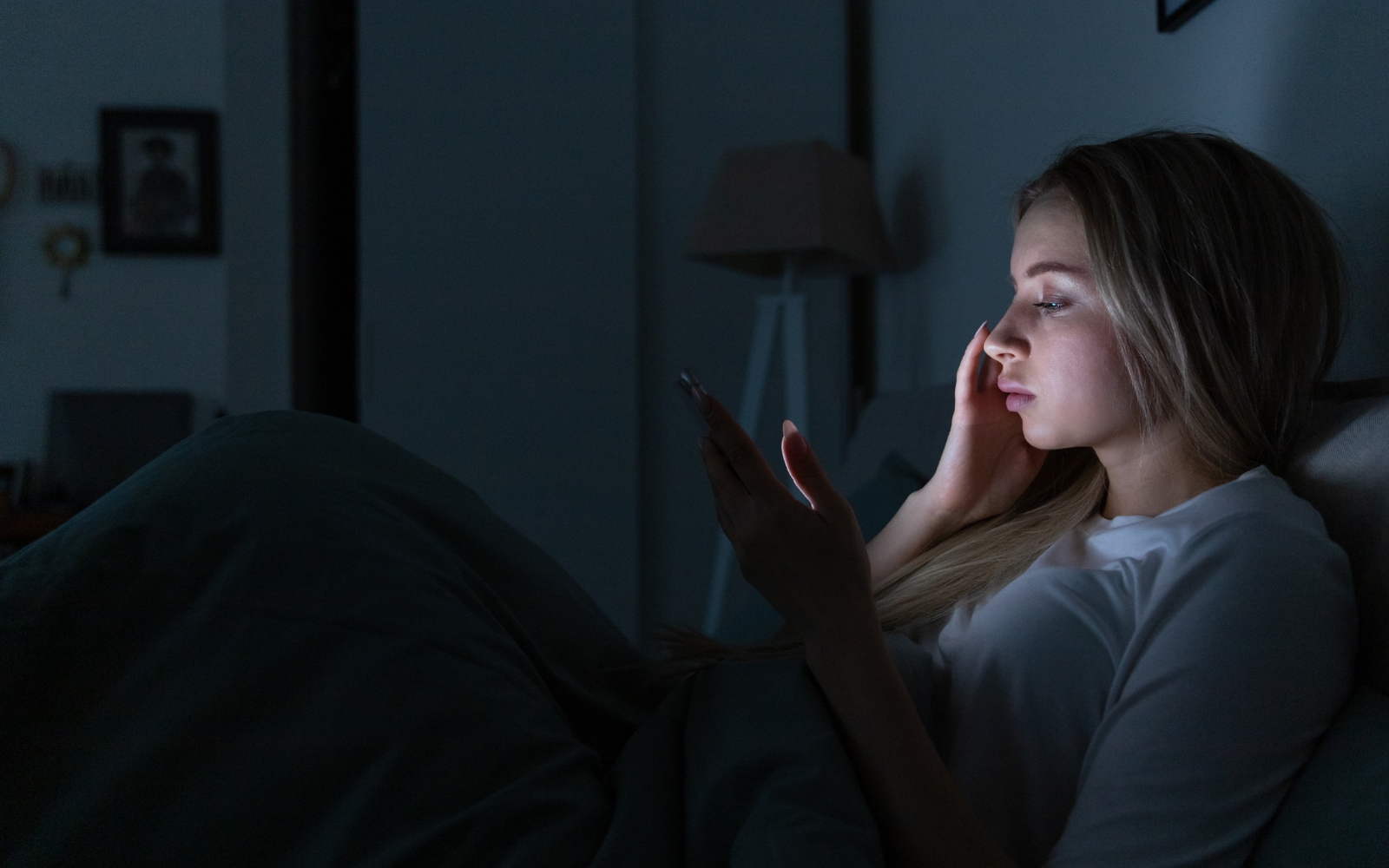
Most adults with anxiety wouldn’t describe themselves as anxious.
They describe themselves as tired. On edge or irritable. Overwhelmed for reasons they can’t articulate. They say things like, “I’m being silly, nothing is actually wrong,” while feeling anything but fine inside.
Anxiety can show up in the body as a chest that feels tight for no obvious reason, a stomach that never settles, or a clenched jaw. It can affect your mind by continuously anticipating disaster, replaying conversations, or creating a persistent sense of unease.
Anxiety is part of being human, the result of a system that evolved to keep us alert, responsive, and safe. But for many people, that system becomes overactive, misdirected, or chronically engaged. When that happens, anxiety stops being helpful and starts shaping decisions, relationships, sleep, work, and self-trust in ways that feel exhausting and hard to explain.
Understanding anxiety — how it works, why it lingers, and how evidence-based care can help — can be key to getting your life back.
Anxiety Fast Facts
- You are not alone — anxiety disorders are common among U.S. adults.
- Women are more likely than men to be diagnosed with an anxiety disorder.
- Many people with anxiety disorders do not receive adequate treatment worldwide.
- It’s not just in your head — anxiety causes meaningful impairment in daily life.
- Cognitive behavioral therapy (CBT) has strong evidence for reducing anxiety symptoms.
What is Anxiety?
Something many people misunderstand about anxiety is that it isn’t always about moments of active fear, but the ongoing weight of expectation.
At its core, anxiety is a state of heightened vigilance driven by the brain and body’s threat-detection system.4 When it senses danger, it automatically prepares the body to respond: stress hormones increase, heart rate rises, and attention narrows. In truly dangerous situations, this reaction is protective.
Anxiety becomes a problem when the brain begins to interpret ordinary experiences — social interactions, work demands, physical sensations, uncertainty — as threats. In anxiety disorders, this alarm system activates easily, reacts strongly, and is slow to stand down.
This is why anxiety can feel irrational. You may logically understand that you’re safe, yet your body continues to behave as if something bad will happen.
Types of Anxiety
Anxiety exists on a spectrum, and many people experience more than one type.
Common conditions include:
- Generalized Anxiety Disorder (GAD): persistent, excessive worry across many areas of life
- Panic Disorder: sudden episodes of intense fear accompanied by physical symptoms
- Social Anxiety: fear of judgment or embarrassment in social situations
- Performance-related anxiety: tied to work, academics, or public performance
- Health anxiety: excessive concern about illness or physical symptoms
- Trauma-related anxiety: often linked to past experiences
Anxiety also frequently overlaps with depression, ADHD, OCD, insomnia, and trauma-related conditions.5
How Anxiety Shows Up in Daily Life
Anxiety involves multiple systems across the body and mind, which is why it can feel so overwhelming.
Physically, anxiety often lives in tension and activation, with symptoms like:
- Muscle strain or jaw clenching
- Shortness of breath or chest tightness
- Digestive issues or nausea
- Fatigue or difficulty sleeping
- Rapid heartbeat or dizziness
Cognitively, anxiety tends to pull attention toward the future, bringing about:
- Racing or intrusive thoughts
- Constant “what if” scenarios
- Rumination and catastrophizing
- Difficulty concentrating or making decisions
- Feeling mentally stuck or foggy
Emotional symptoms can look like:
- Persistent worry or dread
- Irritability or restlessness
- Feeling overwhelmed or on edge
- Emotional numbness after prolonged stress
Behaviorally, anxiety can shape life through avoidance and overcompensation. You might start saying no to things you once enjoyed, over-preparing for minor tasks, seeking reassurance more than you’d like, or procrastinating. These patterns are understandable responses to discomfort, but over time, they can shrink a person’s world.6
Anxiety Causes
There is no single cause of anxiety. Many people develop it through a combination of factors, including:
- Genetics and temperament, which influence how sensitive the nervous system is to stress
- Brain chemistry and threat processing, particularly in areas involved in fear and emotional regulation
- Life experiences, including trauma, chronic stress, or major transitions
- Sleep disruption, substance use, hormonal changes, or medical conditions
- Environmental pressures, such as work demands, caregiving responsibilities, or financial stress
Anxiety often makes sense when viewed in the context of someone’s biology and life history. Effective treatment takes all of these factors into account.6,7
How to Know When Anxiety Is More Than Stress
Stress tends to be situational. It rises in response to pressure and recedes when circumstances change. Anxiety, on the other hand, persists even when external stressors ease.
You may want to seek professional support if anxiety:8
- Lasts for weeks or months
- Feels out of proportion to the situation
- Interferes with work, relationships, or sleep
- Leads to avoidance or shrinking your life
- Causes ongoing physical symptoms
- Feels difficult to manage on your own
Why Anxiety Persists Even When Life Improves
A common question clinicians hear is: “Why do I still feel anxious when things are going well?”
The answer is that anxiety is maintained by both circumstances and learned behaviors.
Once the nervous system has learned to stay on high alert, it doesn’t automatically recalibrate when stress decreases. Past experiences, chronic pressure, trauma, and long-standing thought patterns teach the brain that vigilance is necessary.
This is why anxiety can intensify during life transitions, even positive ones like graduating, starting a career, or becoming a parent. These moments increase uncertainty, and uncertainty fuels anxiety.
Understanding this helps explain why simply “thinking positively” or “waiting for things to settle down” rarely works.
How is Anxiety Diagnosed?
Anxiety is diagnosed through a careful, collaborative clinical process. There is no single test that defines it.
A mental health professional will sit down with you for an initial screening. They’ll look at your symptoms, their duration, their intensity, and how they fit into the context of your life. They may explore medical factors, sleep patterns, substance use, and stressors. It’s also worth discussing potential underlying physical conditions or medication side effects.
When done well, diagnosis offers relief. It gives language to experiences that may have felt self-blaming and provides a roadmap for treatment.
What Treatment for Anxiety Looks Like
- Therapies such as cognitive behavioral therapy (CBT), acceptance and commitment therapy (ACT), psychodynamic therapy, or trauma-informed approaches help people understand their anxiety, shift unhelpful patterns, and build new ways of responding to fear and uncertainty.
- Medication, when appropriate, to support nervous system regulation, particularly when anxiety is severe, persistent, or physiologically driven.
- Combination care, which can be especially effective for moderate to severe cases.
Common Coping Tools for Anxiety
In treatment, coping tools are meant to help regulate the nervous system, reduce symptom intensity, and interrupt patterns. Used consistently — and alongside therapy or medication — these skills can make anxiety less disruptive to daily life.5
Nervous system regulation
Techniques like slow breathing, grounding exercises, and sensory awareness help signal safety to the body. These tools work by calming physiological arousal — lowering heart rate, easing muscle tension, and helping the nervous system settle. Over time, this can reduce how quickly anxiety escalates and how long it lingers.
Cognitive skills for worry and rumination
Anxiety often pulls attention toward worst-case scenarios and repetitive “what if” thinking. Cognitive strategies help people notice these patterns, step back from them, and respond more flexibly to reduce their power over mood and behavior.
Gradual exposure to avoided situations
Avoidance can bring short-term relief, but it reinforces anxiety in the long run. Often under guidance from a clinician, gradual exposure helps retrain the brain by showing that feared situations can be tolerated.
Sleep, routine, and physical health support
Sleep disruption, irregular routines, caffeine, alcohol, and substances can all worsen anxiety symptoms. Improving sleep habits, maintaining regular daily rhythms, engaging in consistent physical activity, and paying attention to nutrition can meaningfully reduce baseline anxiety.
Building and using support
Anxiety often feels isolating. Sharing experiences with trusted people, peer support groups, or structured programs can help you feel understood, reduce shame, and increase resilience.
How Effective Are Anxiety Treatments?
Research consistently shows that evidence-based treatments for anxiety are effective.9,10 With the right support, many people experience meaningful improvement in symptoms. When care is individualized and given time to work, these changes can be substantial and lasting.
One part of treatment can be difficult to hear at first: the goal isn’t to eliminate anxiety. Anxiety is a normal part of being human, and a healthy nervous system still responds to stress and uncertainty.
What treatment offers instead is a shift in your relationship to anxiety. People often describe feeling steadier, more in control, and better able to respond.
Steps to Seek Support
If you’re thinking about getting help, it’s normal to feel unsure about where to start. You don’t need a perfect plan — small, thoughtful steps are often enough to move things forward.
You might begin by noticing when anxiety shows up and how it affects your day. Reaching out to a mental health professional can help you make sense of those patterns and discuss options that align with your goals and circumstances.
Asking questions about treatment approaches, timing, and what to expect is encouraged. Learning about insurance or access options can also help reduce some of the uncertainty surrounding care.
You don’t have to wait until anxiety feels overwhelming to seek support. Getting help earlier can make it easier to regain a sense of steadiness and prevent anxiety from taking up more space in your life.
At Rivia Mind, our clinicians take your biology, experiences, and goals into account to provide thoughtful, evidence-based care that fits your life. Contact us to learn more or find a provider.
References:
- National Institutes of Mental Health. Any Anxiety Disorder.
- World Health Organization. Anxiety disorders.
- Szuhany KL, Simon NM. Anxiety Disorders: A Review. JAMA. 2022;328(24):2431–2445. doi:10.1001/jama.2022.22744
- MedlinePlus. Anxiety.
- National Alliance on Mental Health. Anxiety Disorders.
- Mishra AK, Varma AR. A Comprehensive Review of the Generalized Anxiety Disorder. Cureus. 2023;15(9):e46115. Published 2023 Sep 28. doi:10.7759/cureus.46115
- Mayo Clinic. Anxiety disorders.
- Tufts Medicine. Is Your Anxiety Becoming a Problem? Anxiety Signs, Symptoms + When To Get Help.
- Bogucki, O. E., Craner, J. R., Berg, S. L., Wolsey, M. K., Miller, S. J., Smyth, K. T., Johnson, M. W., Mack, J. D., Sedivy, S. J., Burke, L. M., Glader, M. A., Williams, M. W., Katzelnick, D. J., & Sawchuk, C. N. (2021). Cognitive behavioral therapy for anxiety disorders: Outcomes from a multi-state, multi-site primary care practice. Journal of Anxiety Disorders, 78, 102345. https://doi.org/10.1016/j.janxdis.2020.102345
- National Library of Medicine. Informed Health. Generalized anxiety disorder: Learn More – Treatment options for generalized anxiety disorder.