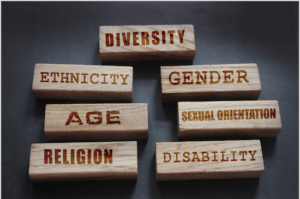
Sometimes we can be unintentionally careless with our words and language. We may say something out of habit, or without realizing it’s hurtful. And sometimes we intentionally use our words to cut and wound. That’s an example of microaggressions: everyday, subtle, intentional or unintentional interactions or behaviors that communicate some sort of bias toward historically marginalized groups. These hostile, derogatory, or negative messages boil down to bullying.
What are microaggressions?
Microaggressions can be racial, gender or sexual orientation based in nature. They can be physical, like following a person of color around a store, or clutching your handbag when you see someone who doesn’t look like you. It can be casually using the word “retarded” to describe someone mentally handicapped. It can be inappropriate descriptions like saying, “that’s gay,” and referring to adult women as “girls.” These remarks aren’t humorous. They’re hurtful and prejudicial. Studies show constant exposure to this kind of trauma can lead to elevated levels of depression and anxiety, and have long-lasting affects on the mental and physical health of those who are subjected to them.

If you’re in the habit of using certain words or phrases to describe others, think before you speak. Educate yourself on the appropriate terminology, and why certain words are hurtful or inappropriate. Use caution, but without judgment. Everyone deserves the same respect you’d expect in return. It’s a small verbal and physical language change that can make a big difference.