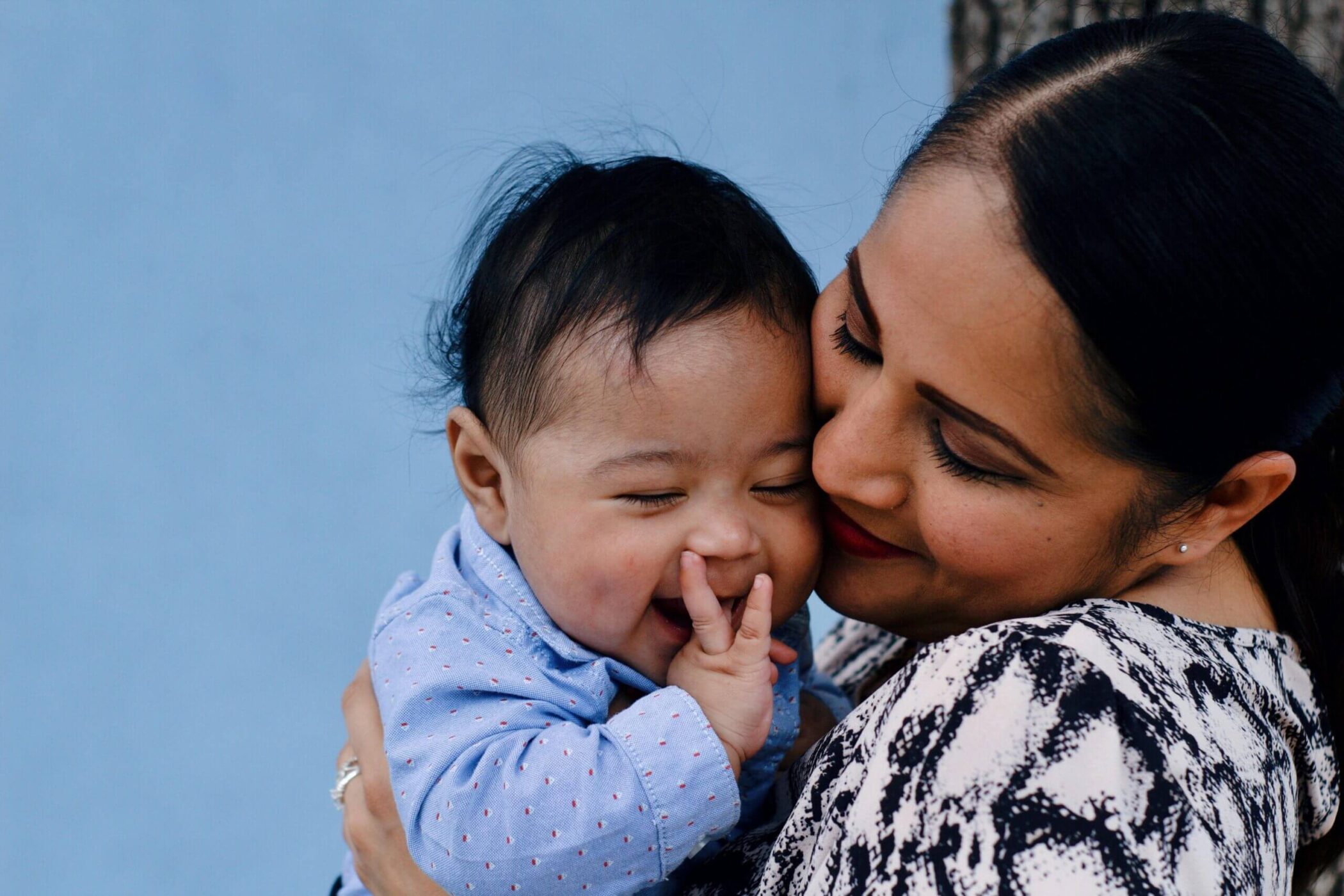
“Baby blues” is an old and sometimes rather reductive term for postpartum depression. It can be a good descriptor in some cases, painting a picture of the low moods that can sometimes follow during or soon after pregnancy. But the truth is baby blues describe only a small portion of experiences that are classed as perinatal or postpartum mental health disorders. You can experience anxiety, OCD, PTSD, and mood disorders such as bipolar disorder all either while pregnant or after pregnancy.
Working with a psychiatrist can help you to identify these disorders so that you can begin to treat them. Let’s describe some of them in today’s blog.
Postpartum Depression
Postpartum depression is likely the most common mental health concern that may occur immediately after pregnancy. As many as 85% of women experience postpartum depression.1 This is a form of depression in which symptoms of depression — such as hopelessness, lethargy, low motivation, low self-esteem and more — manifest in the early months after pregnancy. Perinatal depression can also occur during pregnancy.
Postpartum or perinatal depression, as with the other perinatal mental health disorders, can have a number of causes. Parents might feel depressed due to circumstances surrounding the pregnancy or birth. Pregnancy also imbalances the hormones, creating increased levels of estrogen and progesterone. This can in turn impact the levels of serotonin that your body produces or needs.
Perinatal Anxiety
Perinatal and postpartum anxiety also commonly occur surrounding pregnancy or the birth of a child. It is understandable to have concerns during pregnancy, especially if you have a higher risk pregnancy. You may also worry about raising your child well once they’re born. If that anxiety becomes disruptive to your life, however, you may have perinatal anxiety. This can extend into the postpartum stages, as well.
Postpartum or Perinatal Psychosis
Postpartum or perinatal psychosis typically manifests with symptoms similar to bipolar disorder. Expectant or new parents might experience drastic lows and highs or manic episodes in which they feel disconnected from reality. This is almost always caused by the imbalance of chemicals during or after pregnancy, though it may be triggered by external stressors. Symptoms include:
- Confusion
- Obsessive thoughts
- Hallucinations or delusions
- Sleep problems
- Restlessness and paranoia
- Attempts to harm yourself or the baby
Postpartum PTSD
In the event of a particularly difficult birth or birth trauma, some women may experience postpartum post-traumatic stress disorder. This can be especially common in the event of losing a child during the birth or through miscarriage. Symptoms include:
- Obsessive thoughts
- Panic near sights that remind you of the birth or miscarriage
- Numbness or detachment
- Nightmares and flashbacks
- Irritability
Perinatal or Postpartum OCD
Individuals with obsessive compulsive disorder often report that pregnancy leads to a spike in their symptoms and a difficulty in managing them. Postpartum OCD is recognized by a rise in intrusive thoughts or compulsions related to obsessive anxieties of things that could be a threat to you or the baby. The compulsions may not seem obviously connected to the anxiety, but individuals with perinatal OCD will feel a strong urge to follow them anyway.
How To Treat Perinatal Mental Health Disorders
Fortunately, perinatal mental health disorders can be treated the same way that all mental health disorders can be treated: through therapy and/or medication. Therapy can help expecting parents develop coping mechanisms to help them manage their symptoms and tackle stressful situations. Medication can help to right the chemical imbalance and reduce symptoms overall.
SSRIs and SNRIs are both generally safe to take while pregnant. There may be rare, mild side effects to discuss with a psychiatrist, but these side effects are far safer for both parent and child than leaving the disorder untreated throughout the pregnancy and postpartum phase. Zurzuvae (zuranolone) is another option, the first FDA approved drug specifically designed to treat postpartum depression.2
Benefits of Working With a Psychiatrist
A psychiatrist can be incredibly beneficial while going through perinatal or postpartum mental health disorders. Psychiatrists can give mental health assessments and diagnosis when you begin to show symptoms of a mood or anxiety disorder. You can work out a treatment plan with a professional psychiatrist, whether that’s medication management, therapy, or a combination of the two. If you experience side effects from your medication or find it not to be effective, you can check in with your psychiatrist and change your plan.
Psychiatrists are also qualified to provide talk therapy. This can be very beneficial for individuals who prefer not to go the route of medication or want some guidance from week to week while taking their medication. During pregnancy, you’ll have a team of mental health professionals to support you. Your psychiatrist should be part of it.
Looking for a psychiatrist to help you through the baby blues and beyond when it comes to your pregnancy? Rivia Mind is here to help with a number of skilled and compassionate providers specializing in maternal mental healthcare. Contact us today to learn more or visit our Women’s Mental Health Services page to learn more and schedule an appointment.
Resources:
- Postpartum Psychiatric Disorders – MGH Center for Women’s Mental Health
- FDA Approves The First Oral Treatment For Postpartum Depression – FDA