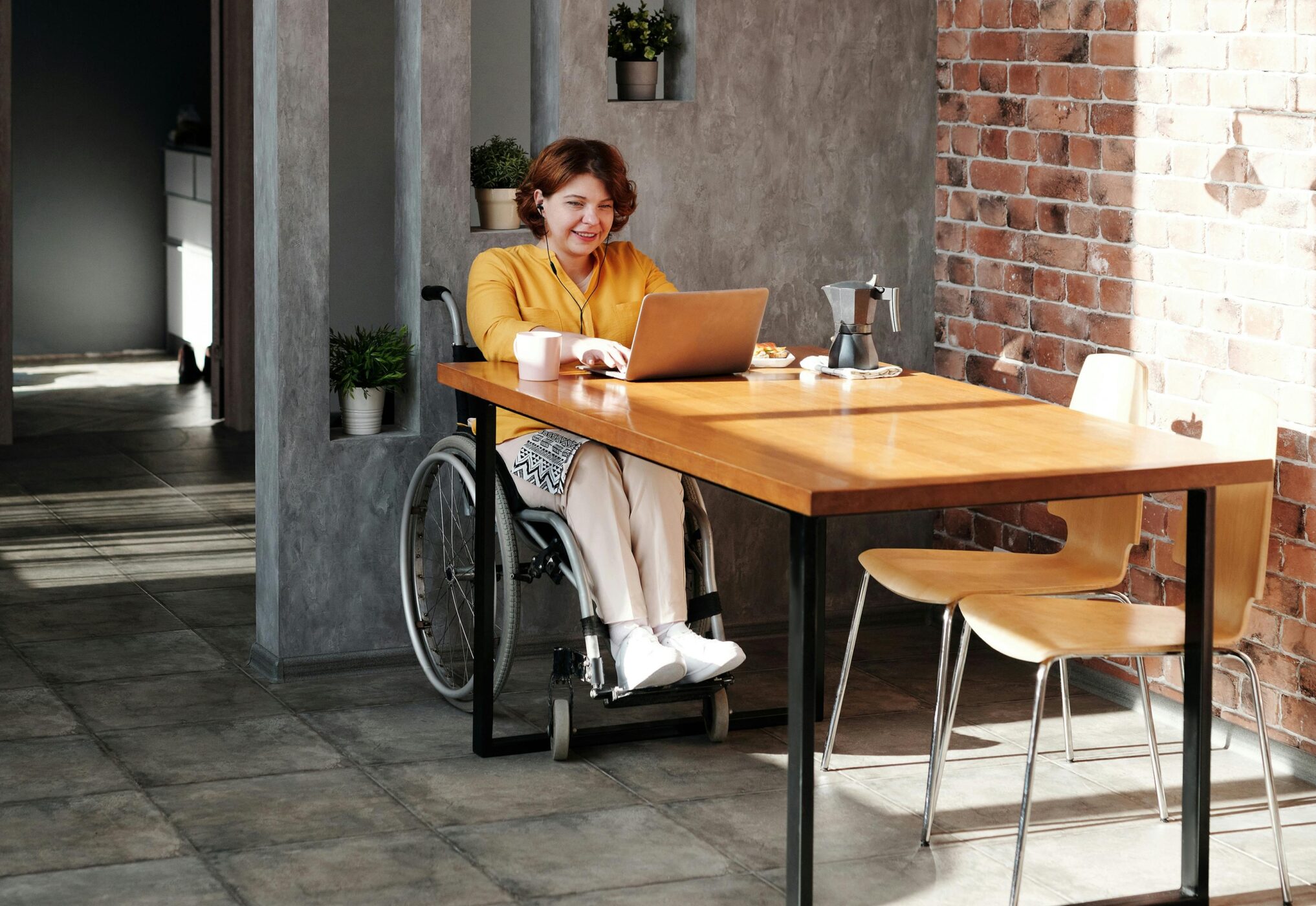
During the height of the COVID-19 pandemic, many therapy patients had to transition from in-person therapy to virtual therapy. Now, in-person therapy is easily available, but virtual therapy remains an option that some may have to turn to. At Rivia Mind, we work with a number of skilled and compassionate clinicians who offer virtual therapy via telehealth services. So, in today’s blog, let’s talk about what you can expect of the transition from in-person to virtual therapy.
Reasons To Switch to Virtual Therapy
There are a number of reasons why you may need to switch from in-person therapy to virtual therapy. One reason for virtual therapy is to keep the same therapist even if you or your therapist move. If you lose your source of transportation and can no longer make it to the therapy office, or if the therapist’s office moves, virtual telehealth sessions may be more accessible.
Health concerns are still a valid reason to use telehealth services. Although social distancing has lifted largely, COVID-19 still exists, and if you are immunocompromised, you may prefer to avoid contamination. You may also have physical disabilities or other illnesses that make it difficult to reach the therapy office.
Finally, telehealth removes a barrier from therapy services. If you struggle to leave your house for any reason, you may have a hard time motivating yourself to go to therapy. This might be something to work on in therapy, but in the meantime, telehealth lowers the entry barrier.
What You Need For a Telehealth Therapy Session
For a virtual therapy session, you need a computer, tablet, or mobile device with a camera and connection to the internet. Your provider will send you an invitation to a virtual call, and you may need to download the video conferencing app. You need a space where you feel safe and comfortable and preferably where you can have privacy. That might be at home, in a closed break room at work or school, or in a study room in a library. Wherever you feel safely able to be vulnerable with your therapist.
How Virtual Therapy Differs From In-Person Therapy
You can reap the same benefits from virtual therapy that you get from in-person therapy. However, the experience might be different from what you’re used to. Here are some of the key differences:
More Distance
For some, the virtual therapy experience may feel less intimate and more distant than in-person. You may struggle to connect over a video chat compared to sitting across from each other. When this is the case, tell your therapist so that you can work out a way to make the experience more comfortable.
Technical Difficulties
Obviously, with an in-person session, internet connection issues or issues with your device are not likely to interrupt your therapy session. In a telehealth session, there might be lags or technical difficulties that distract you. If this proves too difficult, your therapist may be willing to move to a phone call for the session.
Distractions at Home
If you have therapy at home, you may be distracted by pets, kids, or other home distractions. It’s important that you let those in your household know that you’ll be on a call and that you need privacy for an hour. If you don’t feel safe telling those you live with that you are in therapy, you may have some concerns about telehealth. Again, bring up any of these concerns with your therapist.
What Kind of Therapies Can Be Done Over Telehealth?
Just about all talk therapies can be done over telehealth. Cognitive behavioral therapy (CBT), supportive therapy, dialectical behavioral therapy (DBT), and group or couple’s therapy can all take place virtually. In these therapies, you are primarily talking with your therapist, which can be done virtually or in person.
For therapies such as Eye Movement Reprocessing and Desensitization Therapy (EMDR), there are often questions of effectiveness because of the eye movement practices. However, there are telehealth specializations that therapists can take to better provide EMDR over telehealth. Recent attempts at virtual EMDR have been proven effective.1
What To Expect From a Virtual Therapy Session
What to expect from a virtual therapy session may differ depending on your provider and your provider network. In most cases, you’ll receive an email shortly before your appointment. The email will contain a link to the video call. In some cases, your therapist will use the same link each week, so you may be able to save the original email. However, if you lose it, your therapist will be happy to send it to you again.
During the therapy session, you will most likely need to have your video camera on. It helps your therapist to better understand and care for you if they can see your expressions and gestures as you talk. Once you are both connected and can see each other, your therapist will begin your session as they might in person. The conversation often carries on the same way. If you have connection issues, your therapist may offer to call you by phone without video. In these instances, the ability to talk without connection disruptions surpasses the need for visibility.
If you’re interested in virtual therapy via telehealth or you need to transition to telehealth for any reason, Rivia Mind is here to help. Contact us today to learn more or to schedule a free 15-minute consultation.
Resources:
- Online EMDR Therapy: Recent Research and Overview – EMDR International Association