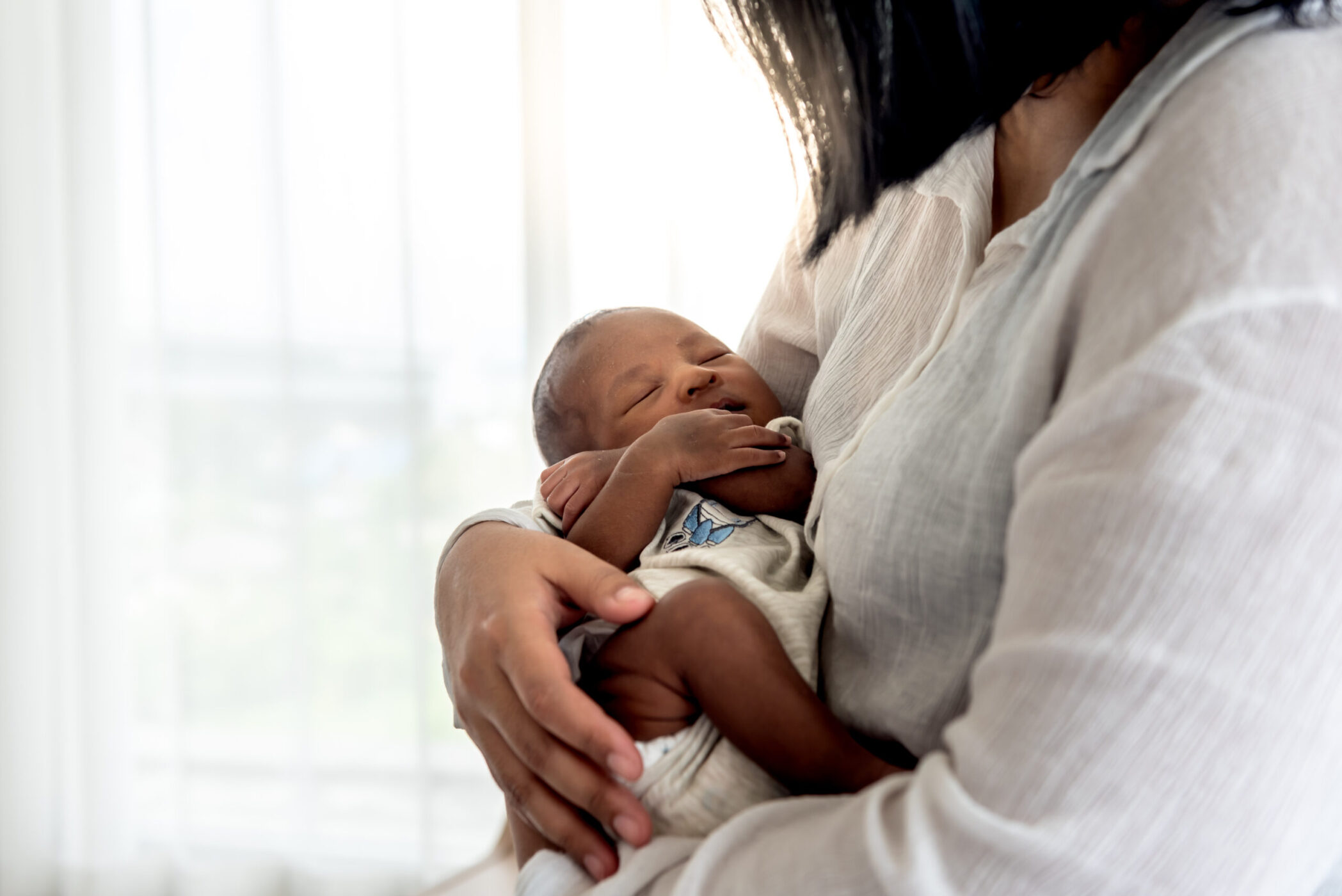
You expect having a child to be one of the happiest moments of their life. That can make it all the more stifling when you find yourself suffering from postpartum depression. Many mothers feel a sense of guilt, that their postpartum depression must be their fault. This could not be farther from the truth. In fact, 1 in 8 mothers experience symptoms of postpartum depression and this can last for several months or longer.
The good news is that roughly 80% of women who suffer from postpartum depression make a full recovery after receiving treatment. There are a number of resources that can help you cope amidst postpartum depression. Let’s delve into some of them in today’s blog.
1. Therapy or Counseling With a Postpartum Depression Specialist
It can be difficult to open up when you have postpartum depression. You may feel a sense of shame or worry that if you talk to people about your depression, you will seem like a “bad mother.” It’s important to break that sense of shame and express your feelings of depression so that you can learn to cope and recover.
Working with a professional therapist or guidance counselor at Rivia Mind who specializes in postpartum depression can help you understand what’s happening to you and why. Your mental health provider can also help you come up with coping strategies and plans to bond with your child and take care of yourself even when it seems difficult. This treatment is a major factor in the percentage of women who recover from their symptoms of postpartum depression.
2. Antidepressant Medication
Even if your depression is situational, such as postpartum depression, antidepressant medication may help you manage your symptoms for the time that it lasts. Mothers with postpartum depression are often prescribed selective serotonin reuptake inhibitors (SSRI), selective serotonin norepinephrine inhibitors (SSNI), or tricyclic antidepressants (TCA). The FDA has even begun to approve antidepressants created specifically for postpartum depression.
These medications work to boost your serotonin and minimize depression symptoms. They can be taken as your main treatment for postpartum depression or in conjunction with therapy or counseling.
3. Check on Mom
Check On Mom is a resource that creates a “mom team” to support expectant mothers on their mental health journey. Your “mom team” is made up of friends and family who love you, as well as health providers who can help you create a plan of mental wellness. Both moms and the rest of the mom team are then educated about symptoms of postpartum depression and where moms can get help to manage and eventually alleviate their symptoms.
Check on Mom will also send mom teams personalized resources and support to help ensure the mother’s best mental health. Finally, they offer live program support by phone to answer any questions or concerns about postpartum depression.
4. Hope for Depression
The Hope for Depression Research Foundation is dedicated to researching all different types of depression in hopes of finding cures and eventually ending depression for good. They hold a number of fundraisers designed to fund research about depression, as well as making information about depression more widely known. While Hope for Depression tackles depression in general, postpartum depression is one of the areas that they research.
5. National Maternal Mental Health Hotline
Mental health hotlines exist to help provide 24/7 support to people suffering from mental health issues who might not be willing or able to reach out for help otherwise. The National Maternal Mental Health Hotline specializes in helping mothers before, during, and after pregnancy, including with postpartum depression.
The hotline is completely free and connects you with a counselor who can help you cope with your feelings and symptoms of postpartum depression. This is a completely confidential and judgment-free situation. Counselors speak English and Spanish but have access to interpreter services for over 60 other languages.
6. Office on Women’s Health
The Office on Women’s Health is a part of the US Department of Health and Human Services, specializing on health issues specific to women — including mothers. They provide information and patient materials on a variety of women’s health issues, including reproductive health and pregnancy.
They also offer a helpful FAQ specifically about postpartum depression which may answer some of your questions. If this FAQ does not have sufficient information, they also have a helpline to provide further support.
7. Postpartum Support International
Postpartum Support International (PSI) is a leading resource for postpartum support — not only for mothers but for fathers, as 1 in 10 fathers suffer from postpartum depression, as well. They have a helpline that can help patients in English or Spanish, via text or call. There is also an online provider directory and facilitation for online support groups.
These online support groups are one of the biggest boons that PSI offers individuals with postpartum depression. Postpartum depression can feel isolating, as though you can’t express your feelings to anyone without seeming cold or ungrateful. In a support group, you will find other parents going through the same thing that you’re experiencing and you may find the words that you weren’t able to find before.
Volunteers with PSI can also help to connect you to local support, including mental health providers experienced with perinatal mental illnesses.
8. The Periscope Project
In The Periscope Project’s name, “periscope” stands for Perinatal Specialty Consult Psychiatry Extension. The founders of the Periscope Project saw that there was a gap between Wisconsin’s state depression screening initiatives and perinatal psychiatric treatment. They created The Periscope Project to offer free resources to health care professionals caring for pregnant or postpartum women throughout the state. Although they are local to Wisconsin, they have a list of free resources that can easily be found on their website.
Finding support for your postpartum depression is one of the first steps towards recovery. Our skilled and compassionate mental health professionals at Rivia Mind are here to help you. Contact us today to learn more or to schedule an appointment with a provider today.