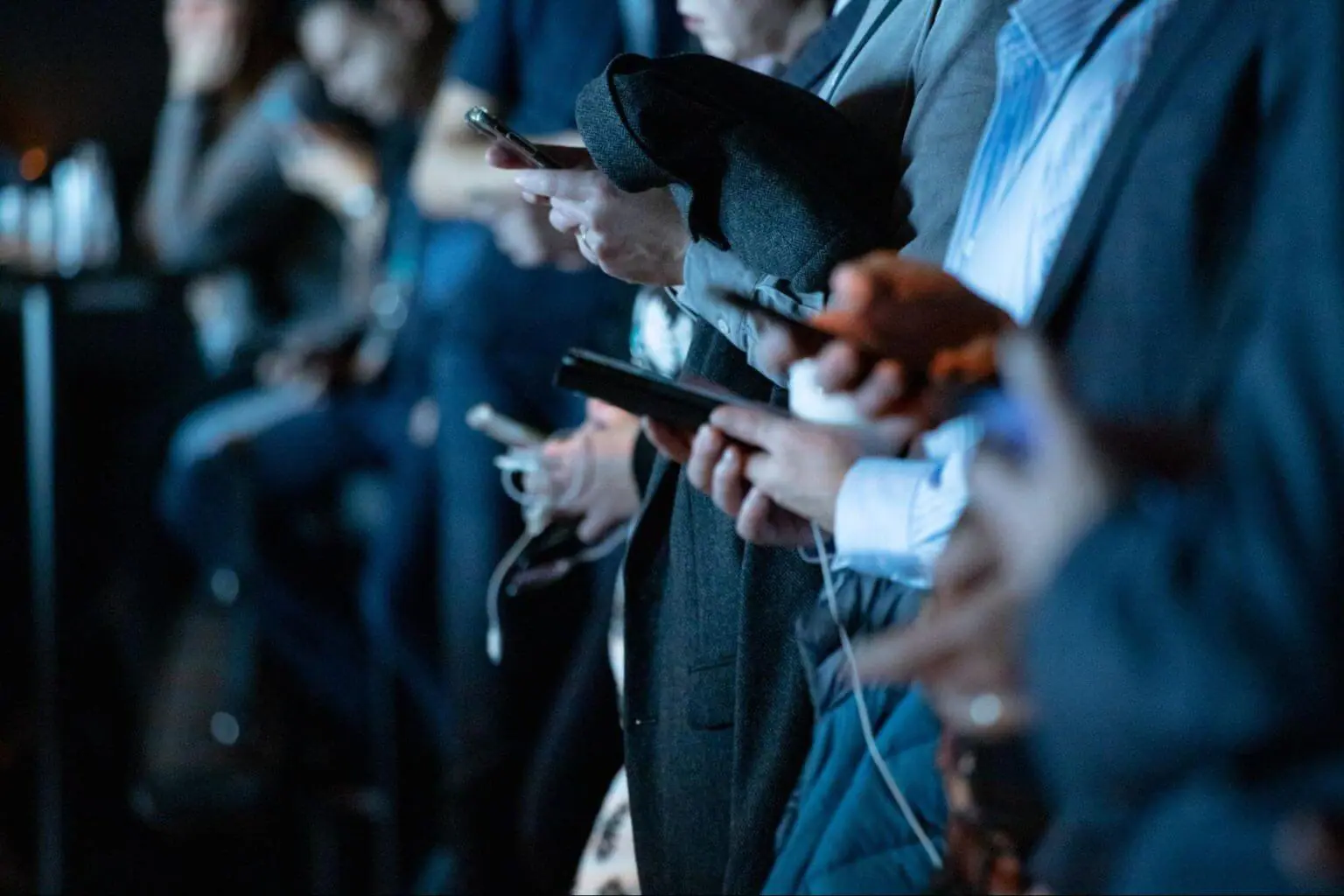
Our world has become saturated with social media, and surveys have shown that well over half the population is on social media. In some ways, this can be a positive. It allows us to connect in ways that we never have before, with people all over the world. We receive news about the world faster than ever. But there are also certainly downsides. Staggering numbers of Americans struggle with social media addiction, including roughly 70% of teenagers and young adults and over 50% of adults from the ages of 30-49. This is perhaps unsurprising, given that just three years ago, most of the world took to social distancing and primarily communicated with loved ones online.
Are you addicted to social media? How does this impact your life and, most importantly, what can you do about it?
Symptoms of Social Media Addiction
Social media can be good in moderation. You may use it to form friendships or professional connections, or just to stay updated on the world around you. But like most good things, too much can be problematic. Social media addiction can lead some to having a skewed view of the world and it can impact your mental health, as well.
Wondering if you might be addicted to social media? Ask yourself these questions:
- Do you feel compelled to check your social media, even when you’re out with friends or trying to sleep?
- Do you spend significantly less time doing offline activities than you did before you had social media?
- Do you experience changes in mood when you can’t access social media?
- Do you have frequent conflicts with work, family, or friends because of your social media use?
These are all signs that you could be addicted to social media.
Negative Impacts of Social Media Addiction on Mental Health
It’s easy to see how social media can be addicting. It literally ranks your interactions with other people. Getting a like, a follow, a reply, or other engagement on your social media can feel very validating. But there are many negative impacts on your mental and social well-being that can come of too much time spent on social media.
Comparison to Others
Again, everything has a number to it on social media. That means you can see exactly how many people liked your post, and how many people liked your friend’s posts. It becomes very difficult not to compare yourself to others on your feed, especially when social media uses algorithms that can rank posts based on engagement. You may also compare yourself to their life events as shown on social media — such as new jobs, new relationships, or beautiful vacations.
Toxic Positivity
There is a pressure on social media to put your best self forward. Post only your best pictures, share only your good news, and so on. When all you see is good news and a sense of put-togetherness from your friends on social media, it may make you feel like you’re falling behind by comparison. It can also lead to a pressure to hide any vulnerability and pretend that you are happy and content even when you might need help.
Isolation
This often surprises people, since social media was created to provide a way to connect. But studies show that without face-to-face connection, social media may actually be a contributing factor to feelings of isolation and loneliness. Further, these feelings of loneliness and social isolation have been shown to be the mental equivalent of smoking 15 cigarettes a day: it is twice as harmful to physical and mental health as obesity.
Depression and Anxiety
Social media is famous for “doomscrolling” — getting locked into a spiral of reading bad news or arguments that have cropped up on your feed. It can feel like watching a trainwreck…and it can have a negative impact on your mental health. It can lead to feelings of hopelessness about the world or anxiety about the future. Combined with that isolation that can come from a lack of face-to-face interactions, this depression can be devastating.
How To Kick the Habit
There is nothing wrong with having or using social media, and it offers many benefits. However, if you struggle with social media addiction, it’s time to learn how to burn bridges and build new ones. Here are a few methods for getting out of your social media addiction:
Recognize Its Usefulness
You likely started using social media for a reason. Maybe it was to market your professional life, to find information, keep up with loved ones, or merely as a distraction. When you understand why social media was useful to you in the first place, you can begin to look for alternatives.
Look For Alternatives
Instead of scrolling through Twitter for a distraction, consider finding a new hobby. Make plans with family or call long distance family members. Look for other sources of news that don’t involve social media. Consider looking into effective methods of marketing that aren’t reliant on social media.
Find Ways to Detach From Your Phone
If you find yourself unable to ignore a notification when it comes in, consider muting your notifications for a while. Another option is to move your phone away from your bed while you sleep. Instead of sitting it on your nightstand, move it to your dresser or the top of your bookshelf. This can also help you get out of bed in the morning if your alarm is on your phone, instead of simply hitting snooze.
Set Aside a Time Without Social Media
You don’t have to quit social media completely, but set aside some time in which you will stay off of your social media accounts. Maybe during work hours, or for a certain period of time in the evening. Make sure to fill that time with something valuable, like reading or enjoying time with loved ones. This way, you’re less tempted to use social media.
Social media addiction often goes hand-in-hand with mental health issues like anxiety, depression, OCD, or ADHD. Our skilled and compassionate mental health providers are here to help. Contact Rivia Mind today to learn more or schedule a free 15-minute consultation.