One of the biggest barriers to people receiving the mental health access they need is stigma. Many people refuse to seek mental health support because they are afraid to be seen as “crazy,” unstable, violent, or any of the other often baseless stereotypes that have been formed about mental illness over time. Because our culture only focuses on the most exaggerated symptoms of mental illness, some fail to recognize mental illness in themselves because they’re “not that bad.” There is even a stigma against going to therapy, as it can be construed as weakness.
Medicalization was a push intended to reduce stigma against mental illness. By establishing that mental illness had biological causes, the hope was that people would stop being blamed for their symptoms. However, this has had mixed results overall. In this blog, let’s delve into the impacts of medicalization on stigma.
What Is Stigma?
Stigma is a chronic challenge to the emotional well-being and self-esteem of those who struggle with their mental health. Often the stigma is as harmful to individuals attempting to manage their mental health as their actual mental illnesses. It can include bullying, stereotypes, social exclusion and discrimination based on mental illness. Stigma seeks to other those with mental illness, creating a sense of “us versus them.”
And too often, it succeeds. Stigma permeates culture and makes it harder for those with mental illnesses to find employment and accommodations. Without employment and accommodations, it makes it difficult to reach out for mental health support, which can be costly. Stigma can also lead to a loss of interpersonal relationships, as well as global feelings of hopelessness about recovery.
Enter Medicalization
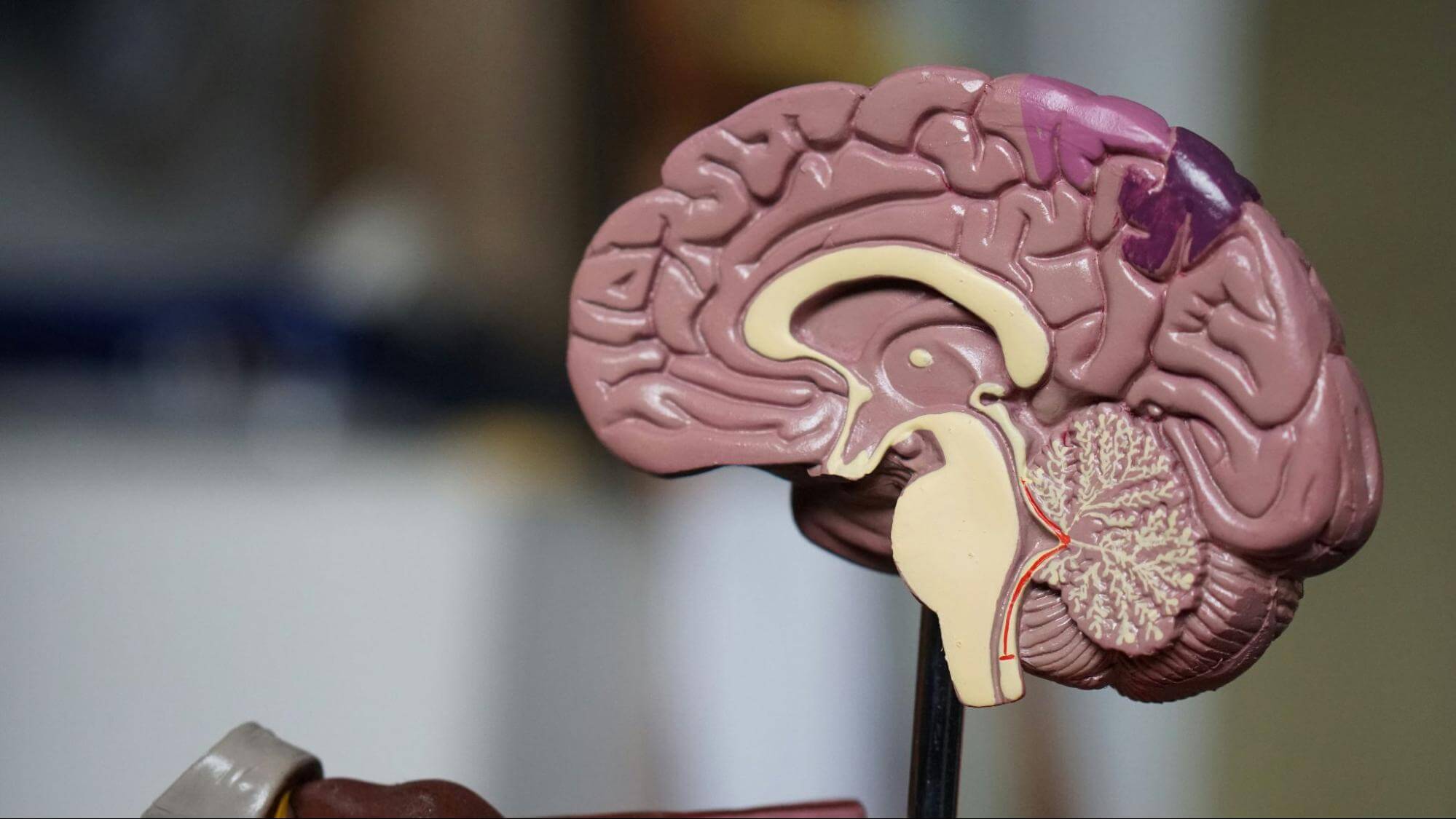
Medicalization focuses on the biogenetic explanations for mental illness, with an intention to reduce blame and stigma against those with mental illnesses. It was launched by the National Alliance on Mental Illnesses (NAMI). Through this campaign, mental illnesses became treated as diseases of the brain, caused by chemical imbalances or genetic factors. In this way, schizophrenia was comparable to physical illnesses such as cancer or diabetes.
The hope was that by reducing responsibility and blame ascribed to the individual, it would in turn reduce stigma and rejection. However, while medicalization has changed stigma in some ways, it has not made society more tolerant overall. In fact, it has had some unintended side effects, such as:
- Promotion of negative stereotypes
- Pessimism about recovery
- Desire to distance from mental illness
- A view of the individual as more dangerous and “out of control”
Attribution Theory & Essentialism
The push towards medicalization was based in Attribution Theory, the theory that the stigmatizing condition would evoke more anger and social rejection if society perceived the condition as controllable. In a model where symptoms were uncontrollable, on the other hand, it might evoke more feelings of pity and offers of help. Unfortunately, due to essentialism, this does not translate to general acceptance.
Essentialism is the idea that a group of individuals have an essence to them that makes them fundamentally different from everyone else. This naturally others them and leads to stigmatization. The concept that mental illness is something that individuals have no control over unfortunately has the side effect of setting those with mental illnesses apart as “other” than everyone else.
Perceptions of Danger and Violence Associated With Mental Illness
Medicalization has increased the perception that, because mental illness is out of the control of the individual, the individual is themself dangerous and unpredictable. This perception leads to an increased desire for distance from individuals with mental illnesses. Individuals have found that disclosing their mental illnesses impacted their work, mental health, and social wellbeing by increasing stigma.
The effects may vary depending on the type of mental illness and the stigma associated with it. For instance, young people with ADHD are viewed more negatively than young people with depression. Schizophrenia, eating disorders, and substance use disorders tend to be more stigmatized. There are also intersectional factors to consider: BIPOC individuals with mental illness will often be considered more dangerous or unpredictable than white individuals with the same mental illnesses, based on social prejudices. Age, body type, gender, race, religion, and more can all play a role in the degree of stigma an individual faces.
Attribution and Self-Image: A Systematic Review of Young People Receiving Diagnoses
In 2018, a study was conducted to survey the self-concept and social identity of 38 students after receiving a mental health diagnosis.1 The results were complex.
Most students found that it actually improved interpersonal relationships, especially with parents and teachers. With this diagnosis, these authority figures were able to understand something about the student that they hadn’t in the past. The diagnosis overall promoted more feelings of benevolence and offers of assistance. Most students also reported receiving “positive” discrimination or special treatment due to their diagnosis. However, they often felt uncomfortable with this special treatment. It contradicted overall longing for normalcy.
Many students said that they used their diagnosis in order to mitigate responsibility from themselves. They treated their disorders as a separate entity from themselves, one they had no control over. However, there was not a complete loss of agency or responsibility for their actions.
On a positive note, many students reported that there was a sense of belonging that came with disclosing their diagnosis. They bonded with others who had similar diagnoses and found those relationships to be very special and more transparent than their other relationships. They also reported bonding with family members who had similar diagnoses.
But students also reported that their diagnosis was a threat to their self-concept. They were forced to reconsider their identity and felt a need to assimilate qualities of their diagnosis that they were uncomfortable with assimilating. They found that they had to face their own stereotypes about their disorder. Many felt that their diagnosis confirmed that something was “wrong” with them, which resulted in lower self-esteem. The more they identified with their diagnosis, the more their sense of identity suffered.
Many students blamed their diagnosis on the absence or loss of their friends. They noted that they felt they were viewed as less capable after their diagnosis.
Advantages and Disadvantages
There were many advantages and disadvantages that came with being given a diagnosis. It can’t always be predicted whether the diagnosis will lead to a positive or negative effect.
The diagnosis was found to be helpful when it came to explaining symptoms and finding resources. It had a positive impact on help-seeking and symptom management. There was a sense of relief and self-understanding to know that the symptoms came from something real and explainable.It came with a decreased sense of culpability for symptoms and externalizing of symptoms from the true self. It also came with the benefit of connecting with others.
However, the diagnosis was also found to threaten and devalue the self-concept. There was an increase in social isolation, invalidation, and stigma. Many students experienced a sense of grief or despair after receiving their diagnosis and struggled to reconcile their diagnosis with their previous self-image. This was especially true when there were only limited treatment options. There was also a prevalence of lowered ambitions such as applying to less ambitious colleges or choosing less ambitious career paths.
Diagnosis often promotes a negative self-evaluation in the patient. However, it also afforded valuable self-understanding. It exposed patients to stigma, but also served as a gateway to new social connections and valuable relationships.
The key is to have a supportive clinician to help you through your mental health journey after a diagnosis. At Rivia Mind, our skilled and compassionate clinicians are here to help. Contact us today to learn more or to schedule a free 15-minute consultation.
Resources:
- How does psychiatric diagnosis affect young people’s self-concept and social identity? A systematic review and synthesis of the qualitative literature – O’Connor, Cliodhna; Kardianaki, Irina; Maunder, Kristen; McNicholas, Fiona, 2018